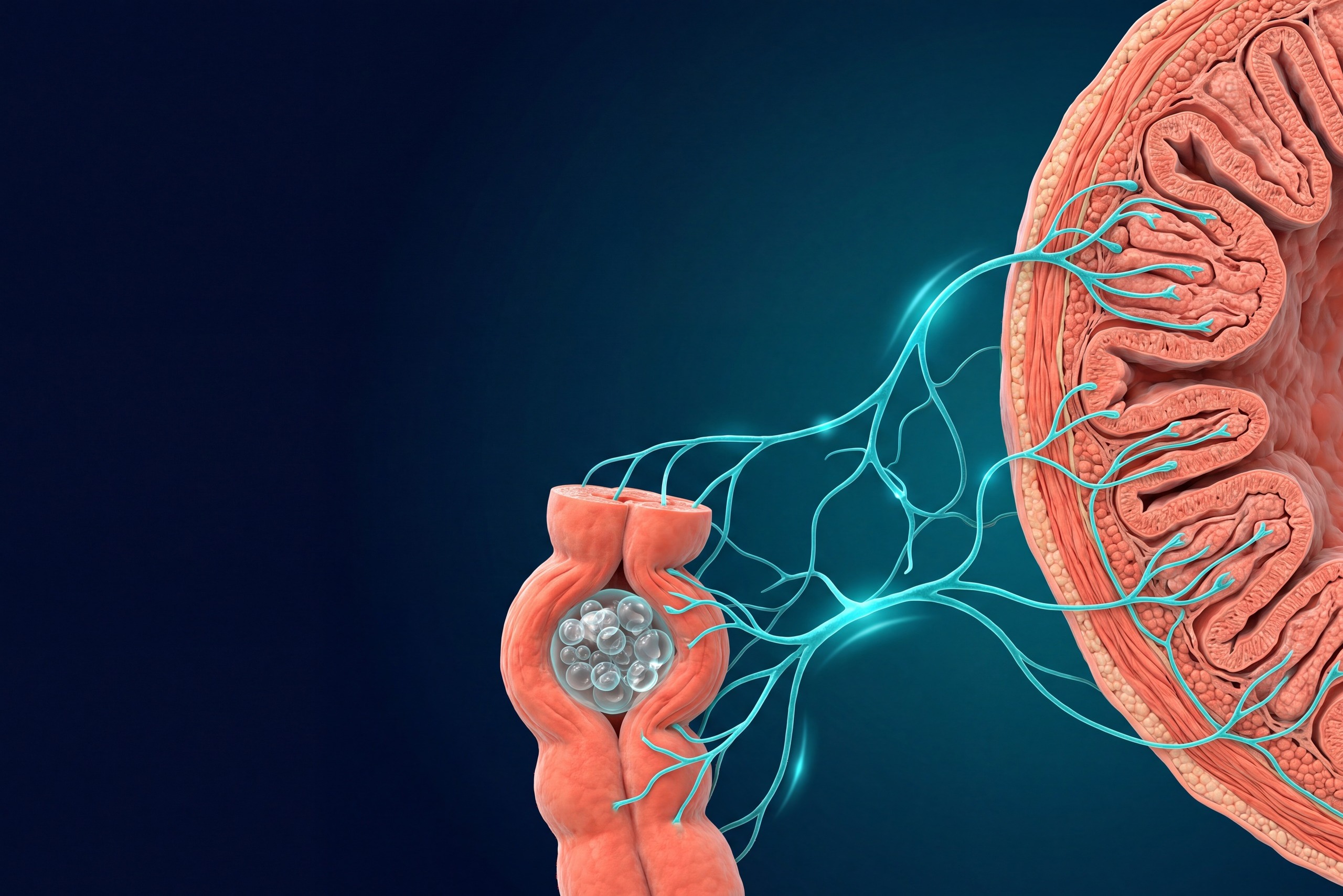
Manos's bloating within one hour of eating matched a rapid neural motility response in a bowel that emptied about three times per week. Long-term quetiapine use could also slow gut motility, while visible oily droplets made exocrine pancreatic function worth testing. His adenoma history supported the recommendations for structured exercise and complete avoidance of processed meat. Manos was 64 and had lived with type 1 diabetes since age 30. He usually woke up feeling comfortable. After breakfast or another meal, however, bloating after eating and gas appeared within about 60 minutes. He also described constipation, periods of diarrhoea with mucus and visible fat droplets in the toilet. We therefore considered the gastrocolic reflex alongside retained stool and requested fecal pancreatic elastase and calprotectin, among other tests. His history of a tubular adenoma with low-grade dysplasia added a second aim, reducing modifiable exposures associated with colorectal adenomas. This combination of gas and constipation, variable stool form and meal-related timing required more than a single explanation.
The biology behind the symptoms
In IBSyncrasy, we explain how motility, fermentation and neural control of the gut relate to symptom patterns like the one Manos described. Buy IBSyncrasyWho is Manos and how did his symptoms appear?
Manos, age 64
Manos was 1.80 m tall and weighed 90 kg, giving him a body mass index of 27.8 kg/m². His routine was sedentary, with no structured exercise. He drank about six glasses of water per day. He had lived with type 1 diabetes since age 30 and used Humalog insulin. He also reported two vascular lesions in his eyes that had been attributed to diabetes.
Comfortable on waking and markedly bloated within an hour
His gastrointestinal symptoms had been present for about five years. Most mornings, he woke up feeling well. Once he ate, bloating and gas began within roughly one hour. Bread, tomatoes and legumes were the foods most often linked to a flare. That precise onset carried more information than a general report of bloating after meals.
Three bowel movements per week with intermittent diarrhoea
Constipation and difficulty passing stool were the dominant pattern, with about three bowel movements per week. He also had periods of diarrhoea with mucus. This alternation can occur with inconsistent propulsion, retained stool and marked day-to-day changes in stool consistency.
Floating stool and oily droplets
Some bowel movements floated and left oily droplets in the toilet. Floating stool can result from trapped gas. Visible fat droplets raised the possibility of incomplete lipid digestion or absorption and gave us a specific reason to request fecal pancreatic elastase.
More than ten years of quetiapine use
Manos had taken Seroquel, the brand name for quetiapine, for more than ten years. He had also taken Salospir for about six years and Lipopen for roughly ten. The combination of dry mouth and constipation was biologically consistent with the antimuscarinic activity of quetiapine's active metabolite. Dose and formulation influence the size of this effect.
Tubular adenoma with low-grade dysplasia
His most recent colonoscopy had identified a tubular adenoma with low-grade dysplasia. Age 64, male sex and a body mass index of 27.8 kg/m² added relevant risk context. His sedentary routine was the clearest modifiable factor in the history. His processed meat intake was unspecified, so removing it was framed as a preventive intervention. Adenoma size, location, number and completeness of removal would provide further information for surveillance planning.
Frequent sweets, soft drinks and dinner close to bedtime
During a typical week, he ate sweets four to five times and baked goods five times. He drank soft drinks four to five times and juice twice. Fish appeared up to once per week. On five days each week, he ate dinner at 21:00 and went to bed at 23:00. This pattern concentrated a substantial postprandial load late in a largely inactive day.
What did bloating within one hour of eating tell us?
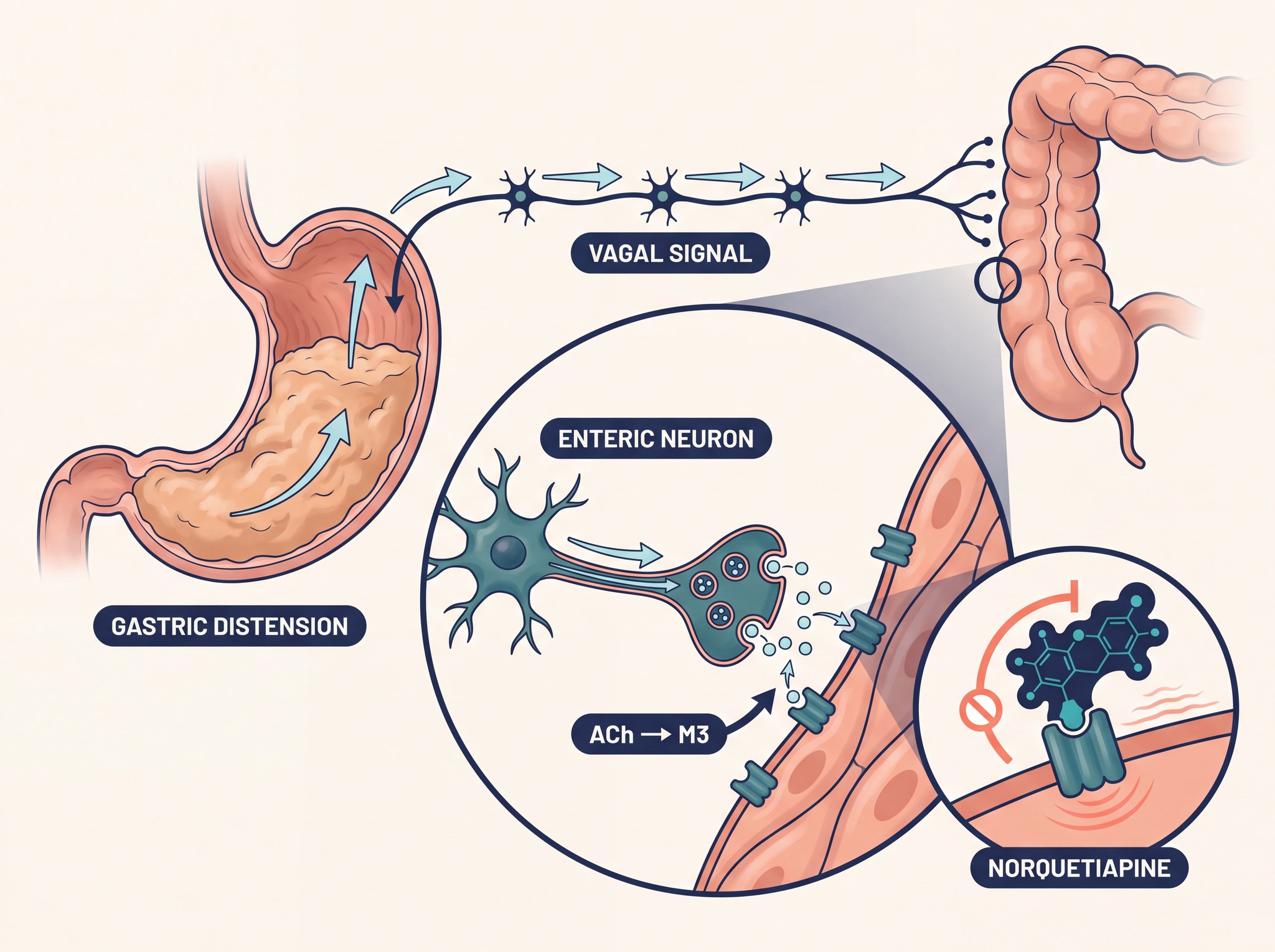
We started with the timing. During the first few minutes of a meal, gastric distension activates vagal and enteric neural pathways. Acetylcholine, the main excitatory neurotransmitter in the gut, increases propulsive contractions through muscarinic receptors. In an experimental human study, rectosigmoid motor activity rose rapidly after a meal, returned towards fasting activity at about 50 minutes and showed a second rise at around 70 minutes after a fat-containing meal.[1]
What explains the first 60 minutes?
During the first hour, the new meal remains mainly in the stomach and proximal small intestine. Lower abdominal symptoms can arise as the gastrocolic and duodenocolic reflexes move gas and pre-existing contents through the colon. Manos had about three bowel movements per week, which meant that more material was already present in the large bowel. A normal postprandial propulsive response could therefore feel much stronger as distension and gas.
- 1
0 to 10 minutes
Food entry and gastric distension activate mechanoreceptors, vagal signalling and the enteric nervous system.
- 2
10 to 30 minutes
Acetylcholine increases colonic motility. At the same time, pre-existing gas and stool move into segments with different sensitivity to distension.
- 3
30 to 50 minutes
The early neural response gradually settles. With slow transit, distension may persist because the bowel moves its contents onwards more slowly.
- 4
Around 70 minutes
A fat-containing meal may produce a second rise in motor activity. Cholecystokinin, gastrin and other peptides participate in postprandial regulation.
How can bloating begin within one hour, before the meal has been fully digested?
In this type of presentation, symptoms can begin with the neural signal created by food entering and distending the stomach. Gastric distension rapidly increases colonic activity and moves gas and contents that were already present. This explains bloating within one hour of eating. Fermentation of the new meal becomes more relevant later, once unabsorbed components reach the colon.
How could type 1 diabetes contribute?
Thirty-four years of type 1 diabetes made autonomic regulation especially relevant. Long-term glycaemic exposure can affect neural fibres, smooth muscle and the interstitial cells of Cajal, which coordinate the rhythm of intestinal contractions. Possible consequences include delayed gastric emptying, slow intestinal transit, constipation or alternating periods of diarrhoea. Excessive sweating and dry mouth can also involve autonomic pathways. In this history, dry mouth overlapped with quetiapine's receptor profile, so these signs remained contextual until the other measurements were reviewed.
How is quetiapine related to constipation?
Quetiapine is metabolised to norquetiapine, an active metabolite with affinity for M1, M3 and M5 muscarinic receptors.[2] M3 receptors are present in smooth muscle and secretory glands. Antagonism at these receptors reduces cholinergic contraction and secretion. Long-term use could therefore contribute to constipation, dry mouth and a stronger sensation of postprandial distension. Activity at histamine H1 and serotonin 5-HT2C receptors may also affect sedation, appetite and weight, with an indirect effect on physical activity.
Can quetiapine slow gut motility after ten years of use?
Norquetiapine's antimuscarinic activity can reduce intestinal smooth-muscle contraction and secretion throughout treatment. The overall effect depends on dose, formulation, metabolism and other determinants of motility. In a history that includes dry mouth and three bowel movements per week, medication has a clear biological route through which it could contribute to early postprandial bloating.
What could oily stools and visible droplets mean?
Fat digestion requires pancreatic lipase, colipase, bicarbonate, bile acids and an intact absorptive surface in the small intestine. Cholecystokinin stimulates pancreatic enzyme release and gallbladder contraction. Secretin increases bicarbonate secretion so the duodenum reaches a suitable pH. Bile acids then form micelles, small structures that carry the products of lipolysis towards enterocytes. A disruption at any of these stages can leave visible fat in the stool.
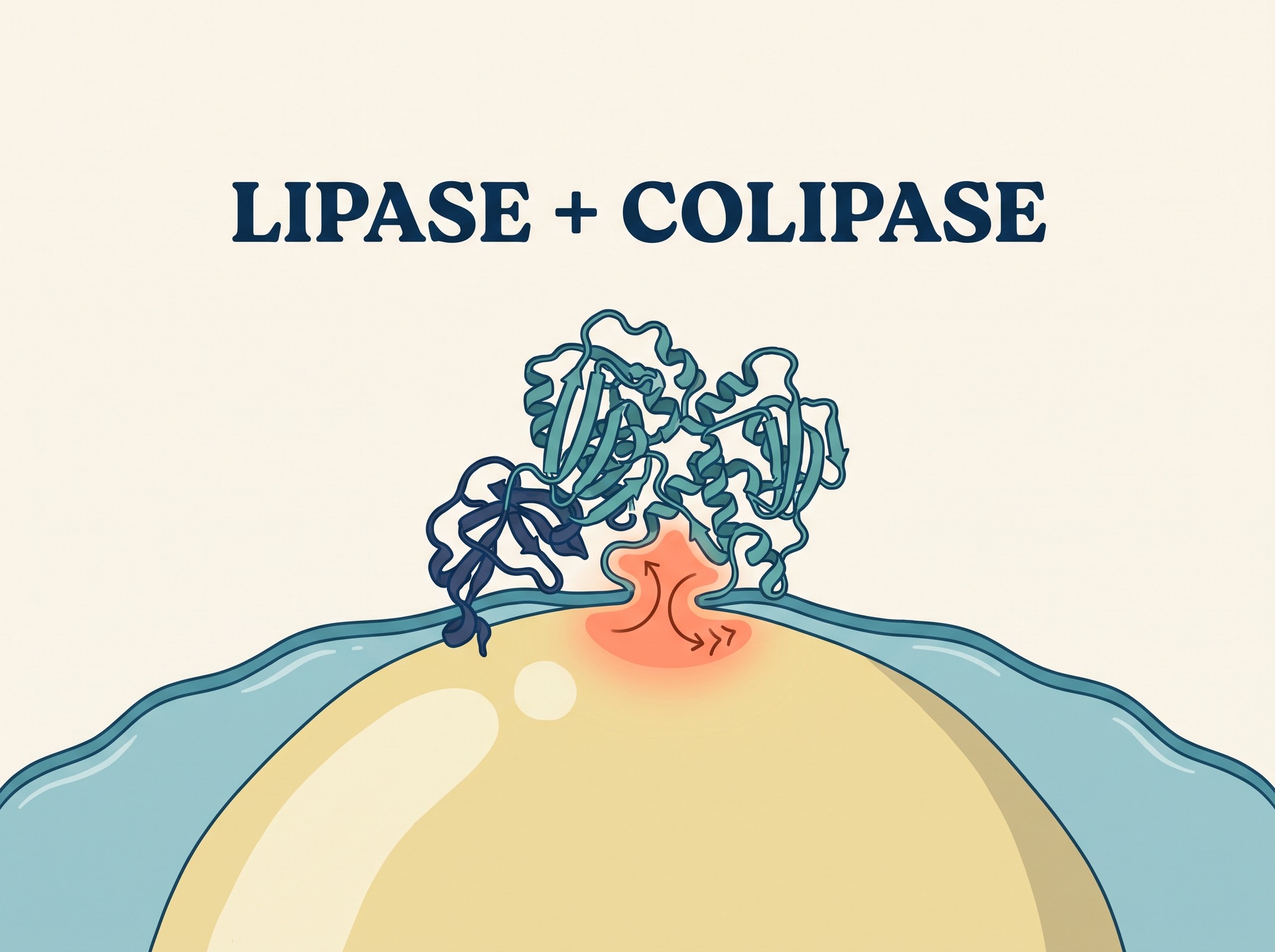
Lipase and colipase
Triglyceride hydrolysis
Pancreatic lipase breaks triglycerides into free fatty acids and monoglycerides. Colipase keeps the enzyme in contact with the fat droplet in the presence of bile salts.
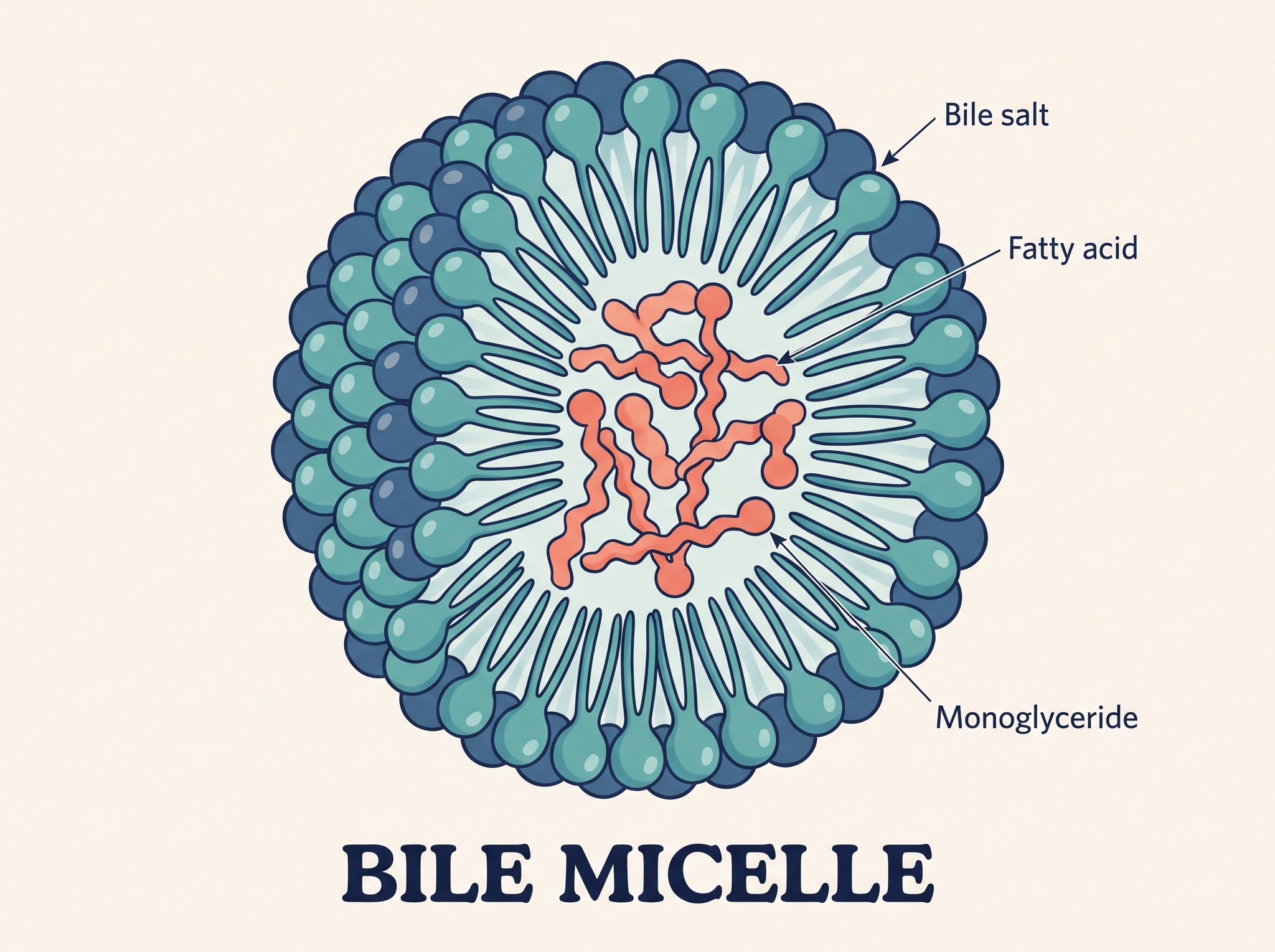
Bile salts and micelles
Transport in the gut lumen
Bile salts emulsify fat and form micelles. These structures carry lipids through the aqueous layer towards the surface of enterocytes.
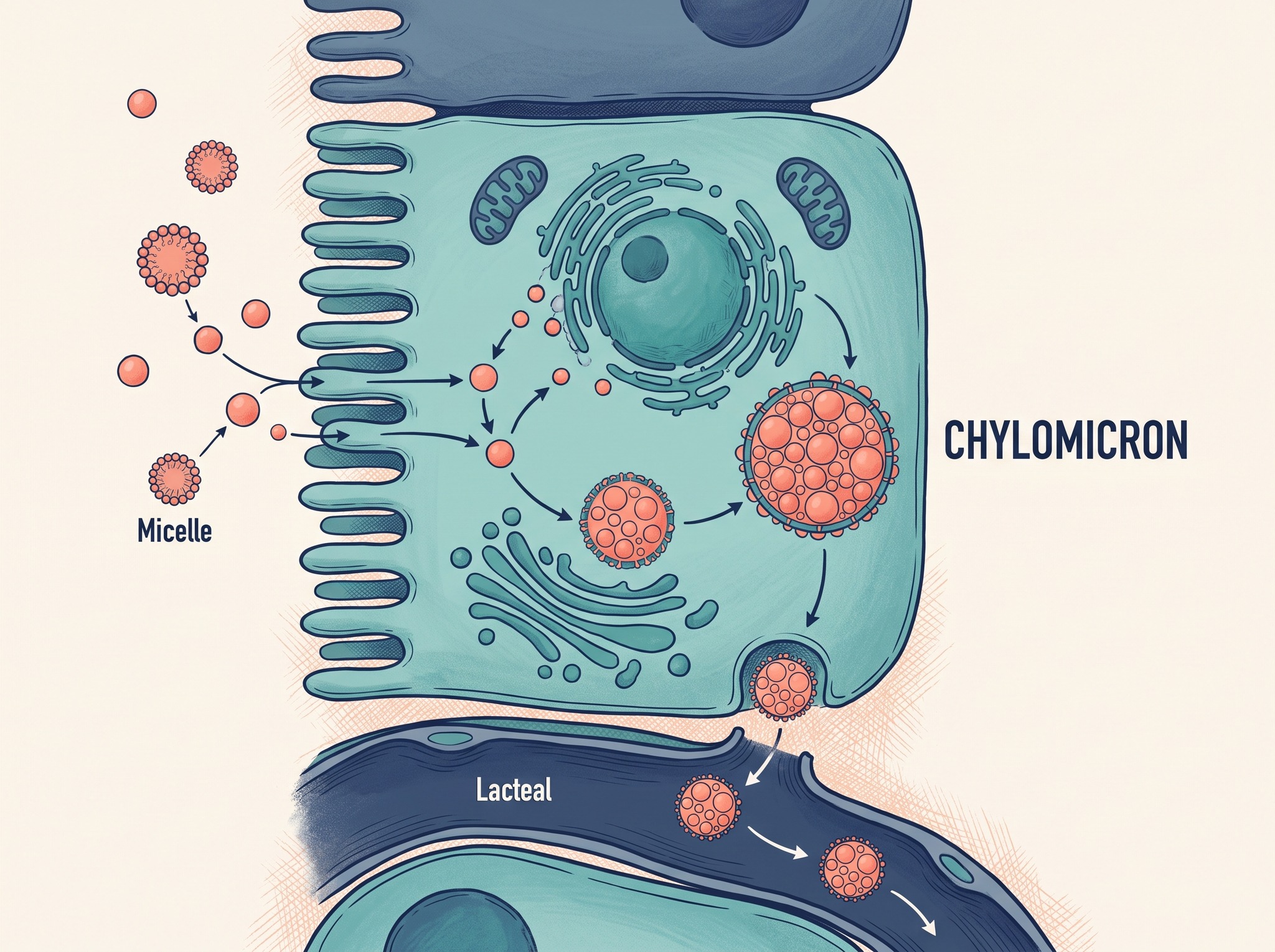
Absorption and chylomicrons
Transport from the intestine
Enterocytes resynthesise triglycerides and package them into chylomicrons, lipoprotein particles that enter the lymphatic system.

Fecal pancreatic elastase
Marker of pancreatic secretion
Elastase remains relatively stable during intestinal transit. A low concentration raises suspicion of reduced exocrine function. Watery stool can dilute the sample.
Why does fecal pancreatic elastase fit this history?
Fecal pancreatic elastase 1 is a non-invasive marker of exocrine pancreatic secretion and a practical way to assess exocrine function. Visible fat droplets, floating stool and long-standing type 1 diabetes made the test directly relevant to this history. A meta-analysis of 13 studies and 888 participants found 94% sensitivity and 69% specificity at a cut-off of 200 μg/g. At 100 μg/g, sensitivity was 88% and specificity was 82%.[3] In people with type 1 diabetes, a low value is interpreted alongside stool consistency, symptoms and additional pancreatic data.[4]
Accuracy of fecal pancreatic elastase 1 at different cut-offs
de la Iglesia et al., 2025, 13 studies and 888 participants
How did we relate the adenoma to the rest of the history?
A tubular adenoma with low-grade dysplasia already represents neoplastic change confined to the mucosa. Among Manos's modifiable factors, his sedentary routine had the clearest direct association. A meta-analysis of 20 studies linked higher physical activity with a 16% lower relative risk of colon adenoma and a 30% lower relative risk of large or advanced adenoma.[6]
Where does processed meat fit?
His exact processed meat intake was unknown, while red meat intake was reported as zero. Complete removal of processed meat was therefore used as a preventive measure. A meta-analysis found a relative risk of 1.29 per 50 g of daily processed meat intake for adenomas overall. The corresponding estimates were 1.45 in prospective studies and 1.23 in case-control studies.[5] N-nitroso compounds can alkylate DNA, while haem iron catalyses lipid peroxidation and the formation of reactive aldehydes. High-temperature cooking also produces heterocyclic amines and polycyclic aromatic hydrocarbons.
Processed meat, physical activity and colon adenoma
Aune et al., 2013, per 50 g of processed meat daily. Wolin et al., 2011, highest versus lowest physical activity. The vertical line marks RR 1.00.
What do we expect the tests to show?
The testing plan addressed three questions. The first concerned fat digestion and exocrine pancreatic function. The second covered intestinal inflammation and infectious causes of the changing bowel pattern. The blood and urine tests addressed metabolic, nutritional and haematological factors that can affect motility, neural function and overall cardiometabolic risk.
How will we interpret fecal elastase?
A value above 200 μg/g supports adequate exocrine secretion in most settings. Values from 100 to 200 μg/g fall into an intermediate range, while values below 100 μg/g increase the probability of substantial insufficiency. Stool consistency, type 1 diabetes and the wider pattern determine how the result is interpreted.[3][4]
What will calprotectin and the PCR panel add?
Calprotectin will show whether neutrophil activity is present in the intestinal mucosa, while the PCR panel will assess selected infectious causes. These tests answer different questions from fecal elastase. Together, they cover mucus, periods of diarrhoea and the possible disturbance of fat digestion. Each result will be matched to the mechanism measured by that test.
What did we recommend and how does each intervention relate to the history?
Why did we recommend a ten-minute gentle walk after main meals?
We recommended ten minutes of gentle walking after main meals. The timing mattered because his bloating began during that same postprandial hour. Gentle movement increases mechanical activity through the trunk, helps gas move through the bowel and shortens the sedentary period after eating. For someone with type 1 diabetes, post-meal activity also needs to fit the glucose and insulin monitoring routine already in use.
Why did we recommend structured exercise twice per week?
His sedentary routine related to two parts of the history. Regular movement supports overall intestinal motility and reduces prolonged inactivity that can aggravate constipation. Higher physical activity has also been associated with lower colon adenoma risk, particularly for large or advanced adenomas.[6] Two structured sessions per week provided a specific starting point from a sedentary baseline.
Why did we recommend removing processed meat?
This intervention related directly to the adenoma history. Nitrite curing, haem and high-temperature cooking can increase mucosal exposure to N-nitroso compounds, lipid peroxidation products and mutagenic compounds. The published association concerns exposure dose and relative risk, while Manos's exact weekly intake remained unspecified.[5] The new dietary plan therefore set processed meat intake at zero.
Why do we think these interventions can help?
The three interventions operate over two time frames. The ten-minute walk sits inside the same period in which Manos experienced bloating. Structured exercise and processed meat removal have longer-term aims. They relate to constipation, a sedentary routine and modifiable factors associated with colorectal adenomas.[5][6]
How do the tests relate to the interventions?
Elastase, calprotectin and the PCR panel will clarify how much pancreatic secretion, intestinal inflammation and pathogens contribute to the changing bowel pattern. Walking and structured exercise have a defined timing and frequency, while processed meat removal has a clear adherence measure. In our experience, specific interventions work better when each one corresponds to a documented feature of the history.
What do we take from this case?
The exact timing pointed to a rapid neuromotor response. Three bowel movements per week showed a low-frequency pattern consistent with slower transit. Quetiapine added a pharmacological mechanism through norquetiapine and M3 receptors. The oily droplets justified testing exocrine pancreatic function, while the adenoma linked exercise and processed meat removal to a defined preventive aim. Related cases include our analysis of IBS and diabetes and the mechanisms considered in IBS after cholecystectomy.
Symptom timing and stool appearance can narrow the assessment
During the assessment, we relate each symptom to its timing, medication use, bowel habits and the tests that answer a defined question.
Frequently asked questions
Gastric distension rapidly activates vagal and enteric neural circuits. The colon increases its motor activity and moves gas and contents that were already present. With slow transit, this movement can produce marked distension.
Norquetiapine, an active metabolite of quetiapine, has antimuscarinic activity. M3 antagonism can reduce cholinergic smooth-muscle contraction and secretion, providing a plausible route to constipation and dry mouth.
They may indicate that part of the dietary fat remained undigested or unabsorbed. Possible mechanisms involve pancreatic enzymes, bile acids, intestinal absorption or a high fat intake. Fecal pancreatic elastase examines one specific part of that process.
A low elastase concentration raises suspicion of reduced exocrine pancreatic function. In type 1 diabetes, the value is interpreted alongside stool consistency, symptoms, nutritional status and other pancreatic data because watery stool and diabetes-related mechanisms can influence the measurement.
Meta-analyses have associated higher physical activity with lower relative adenoma risk and greater processed meat intake with higher relative risk. These are population-level associations that support reducing modifiable exposures.
References
- Snape WJ Jr, Matarazzo SA, Cohen S (1979). The gastrocolic response: evidence for a neural mechanism. Gastroenterology, 77(6), 1235-1240.
- Almeida F, Albuquerque E, Murta I (2019). Delirium Induced by Quetiapine and the Potential Role of Norquetiapine. Frontiers in Neuroscience, 13, 886.
- de la Iglesia D, Vallejo-Senra N, Iglesias-García J, et al. (2025). Diagnostic Accuracy of Fecal Elastase-1 Test for Pancreatic Exocrine Insufficiency: A Systematic Review and Meta-Analysis. United European Gastroenterology Journal, 13(8), 1571-1582.
- Hahn JU, Kerner W, Maisonneuve P, Lowenfels AB, Lankisch PG (2008). Low fecal elastase 1 levels do not indicate exocrine pancreatic insufficiency in type-1 diabetes mellitus. Pancreas, 36(3), 274-278.
- Aune D, Chan DSM, Vieira AR, et al. (2013). Red and processed meat intake and risk of colorectal adenomas: a systematic review and meta-analysis of epidemiological studies. Cancer Causes and Control, 24(4), 611-627.
- Wolin KY, Yan Y, Colditz GA (2011). Physical activity and risk of colon adenoma: a meta-analysis. British Journal of Cancer, 104(5), 882-885.