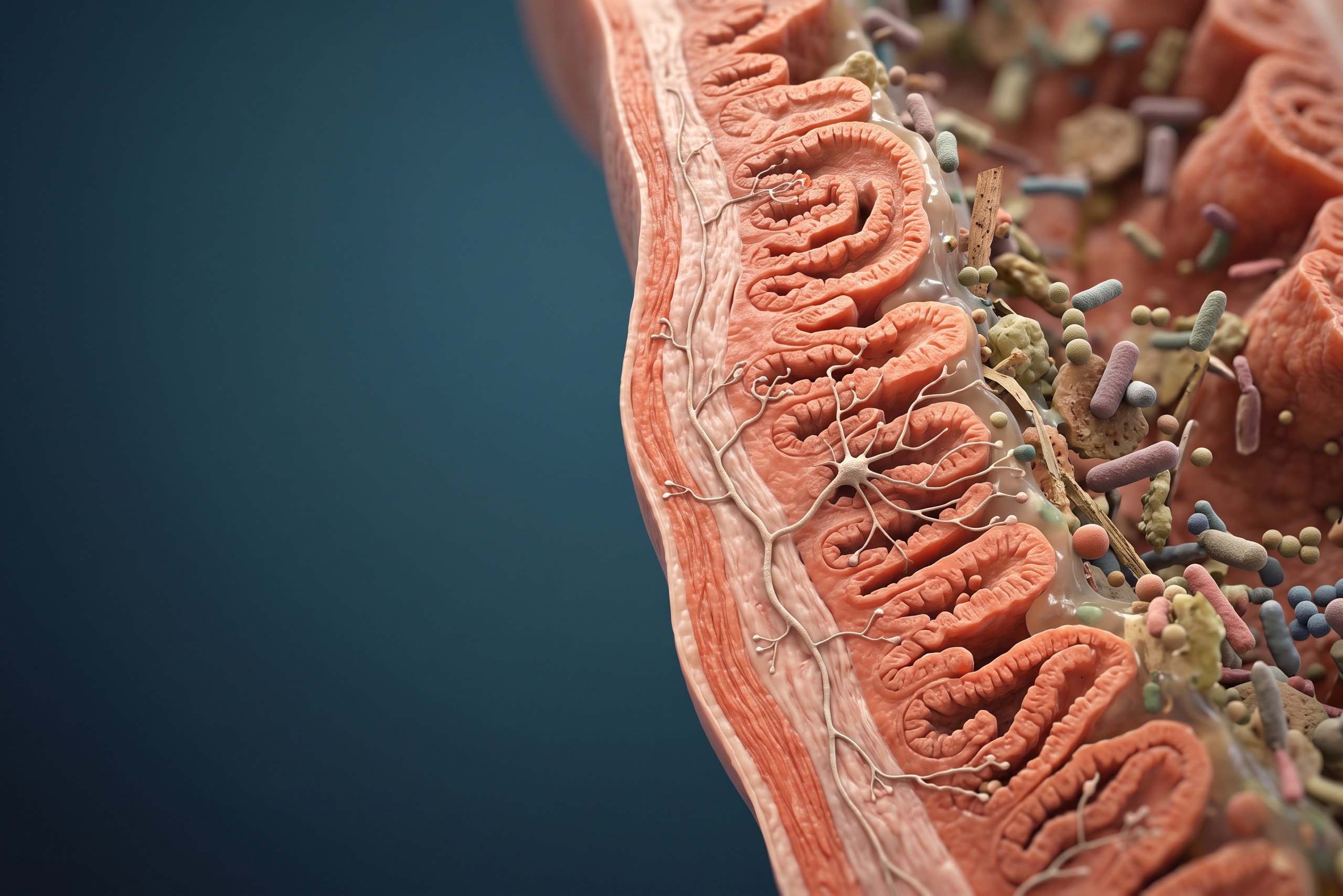
Extreme dieting cause almost permenant shifts in hormonal and neurotransmitting cues that may lead to almost the complete array of IBS symptoms. Kate exhibited constipation and left-sided abdominal pain after eating vegetables and legumes. This case shows how weight cycling can reshape appetite, bowel rhythm and food tolerance. At 53, she has a normal BMI, two decades of constipation, bowel movements that rely on coffee and cigarettes, and left-sided pain after vegetables and legumes. Her gut function pattern links weight cycling, meal timing, the gut microbiome and appetite hormones.
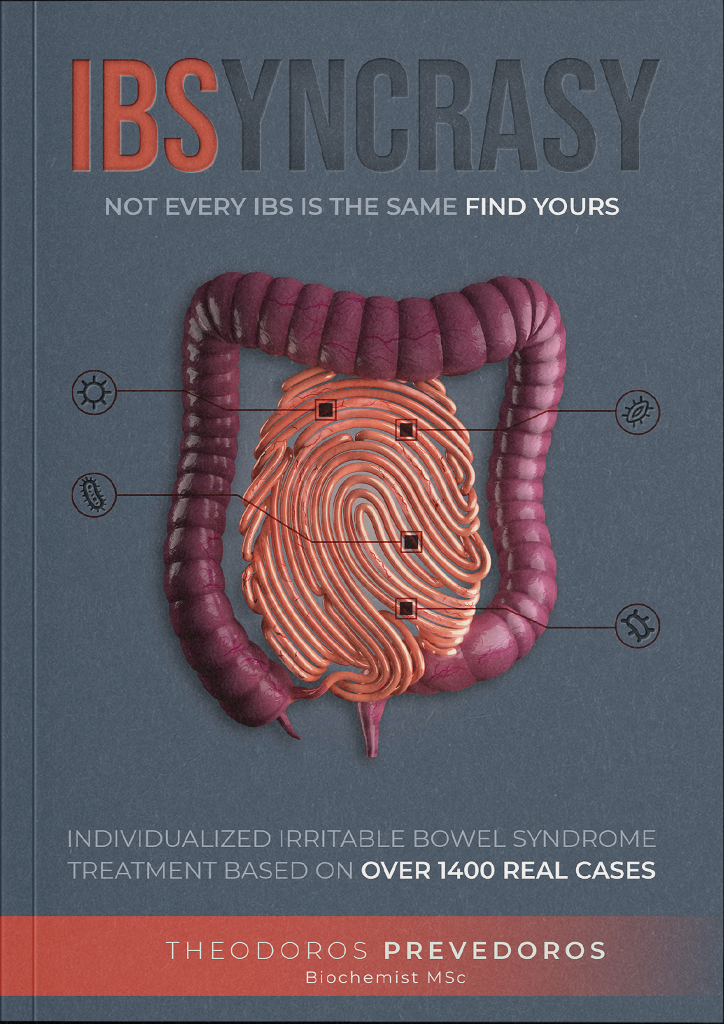
Understand the gut patterns behind restrictive eating
The book explores how appetite, digestion and everyday routines affect one another. Buy IBSyncrasyWhat did years of extreme dieting change?
Repeated restriction and regain can train eating around urgency while constipation continues in the background. Kate reports large weight fluctuations after extreme diets, a 20-year history of constipation and a bowel movement that usually arrives only after coffee and smoking. Meanwhile, eating in front of screens, occasional night eating and high anxiety leave the digestive system without a settled meal-to-bowel rhythm.
Weight cycling beside a normal BMI
Years of strict diets and large weight changes sit beside Kate's current BMI of 24, so her digestive health assessment draws on the complete diet and symptom history.
A morning routine built around external cues
Coffee and cigarettes have become the cue for daily stool passage, while constipation, variable stool form and abdominal discomfort continue through the wider week.
Vegetables and legumes repeatedly precede pain
Left-sided abdominal discomfort after fibre-rich foods places transit, fermentation, gut bacteria and visceral sensitivity together in the assessment.
Kate's gut function has three interacting layers
Tap or hover over each ring to read the clinical meaning.
Tap a ring or hover to reveal its explanation
Meal rhythm
Restriction, screen-led eating and late meals set the outer daily conditions for digestion.
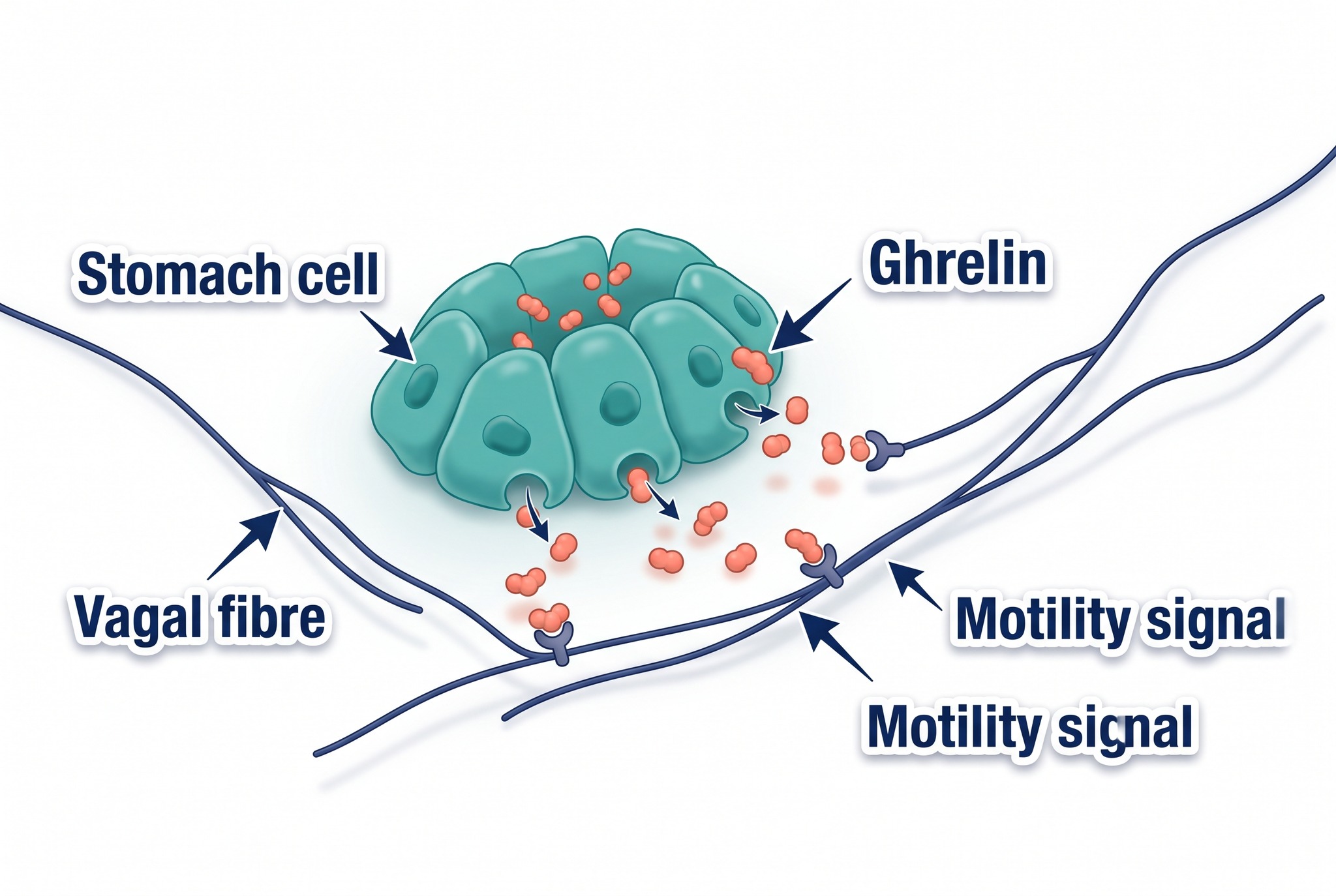
Restriction changes the signals that prepare a meal and move the bowel
Ghrelin receptors in enteric and vagal pathways connect the stomach's energy signal to gut movement and appetite. In a 12-week trial, energy restriction with weight loss changed ghrelin, GLP-1 and CCK responses, which are central to hunger, satiation and digestive coordination.[1] Consequently, Kate's long diet history adds essential context to her current weight and bowel pattern.
Leptin falls more with severe energy restriction
Weighted mean change in circulating leptin. Meta-analysis of 12 trials, 495 participants.[2]
I have spent years moving between strict diets and weight regain, and now I often need coffee or a cigarette before my bowels move, so could the dieting have changed how my gut works?
Yes. Severe energy restriction changes the appetite-hormone responses that coordinate hunger, fullness and digestive movement: a 12-week energy-restriction trial found changes in ghrelin, GLP-1 and CCK after weight loss.[1] Ghrelin receptors sit in enteric and vagal pathways, linking the stomach's energy signal with intestinal motility. Coffee and nicotine can then become powerful morning stimuli for bowel activity, so a daily bowel movement can coexist with a broader constipation pattern defined by effort, stool form, slow transit and abdominal discomfort.
Why did vegetables and legumes trigger left-sided pain?
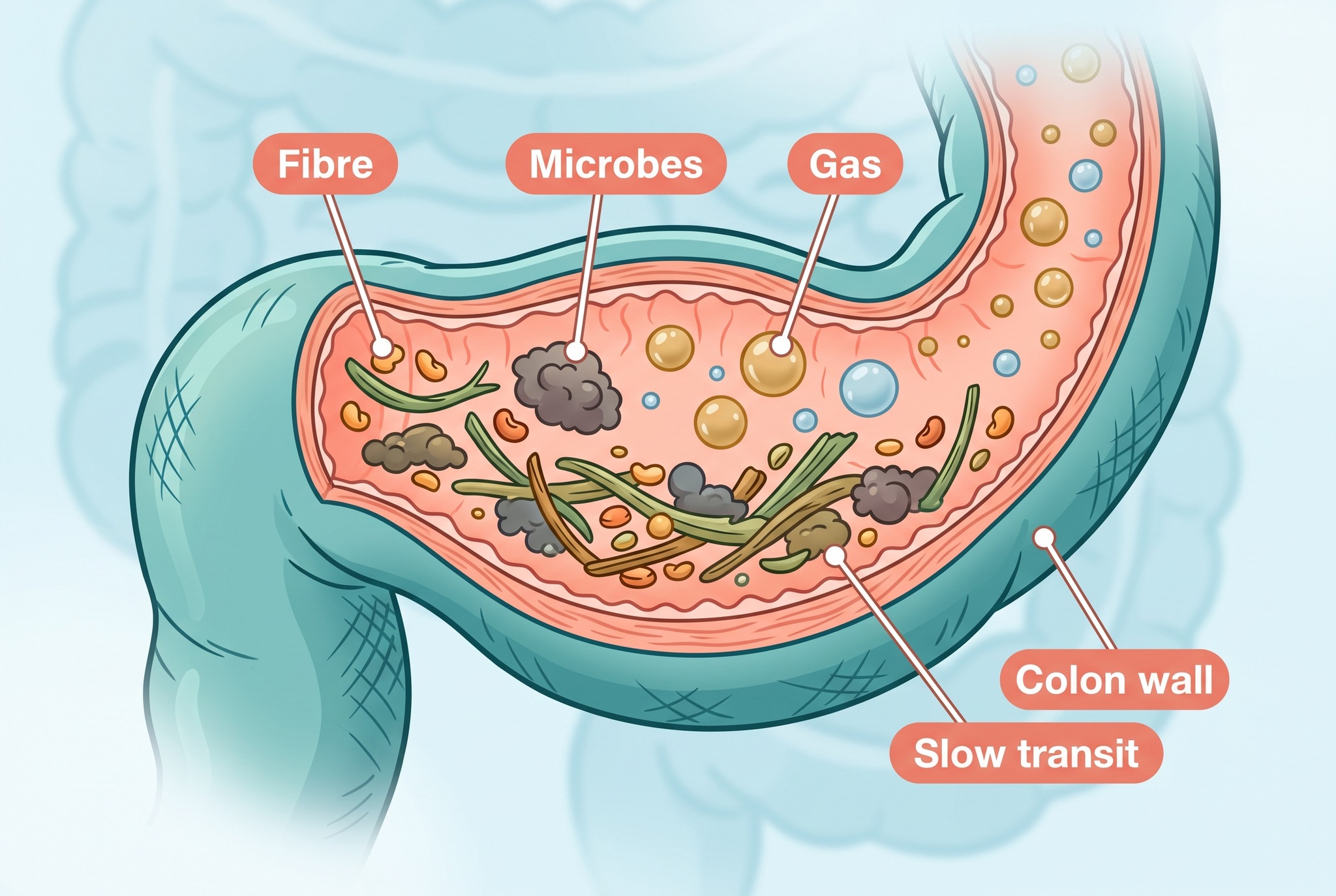
Vegetables and legumes deliver fermentable carbohydrates and fibre into a colon whose transit already feels slow. When that material reaches a sensitive left colon, gas, stretch and retained stool can amplify abdominal pain and bloating. Kate noticed the pattern especially after legumes and vegetables, while artichoke extract coincided with more formed stools and less pain.
The food pattern is a useful clinical signal. A structured food-and-symptom record can separate portion, preparation, meal timing and stool pattern, while links between bloating and gas after eating and abdominal bloating causes give the pattern practical context.
Dietary restriction can reorganise the colon environment
Directions reported across a systematic review of low-carbohydrate diets and a meta-analysis of 47 weight-loss trials.[3,4]
A morning stimulant routine can hide slow transit
Coffee and nicotine both provide a repeatable morning stimulus, so daily passage can coexist with constipation between those cues. Kate's assessment therefore records the full stool story, including form, effort, pain and timing, alongside the daily count.
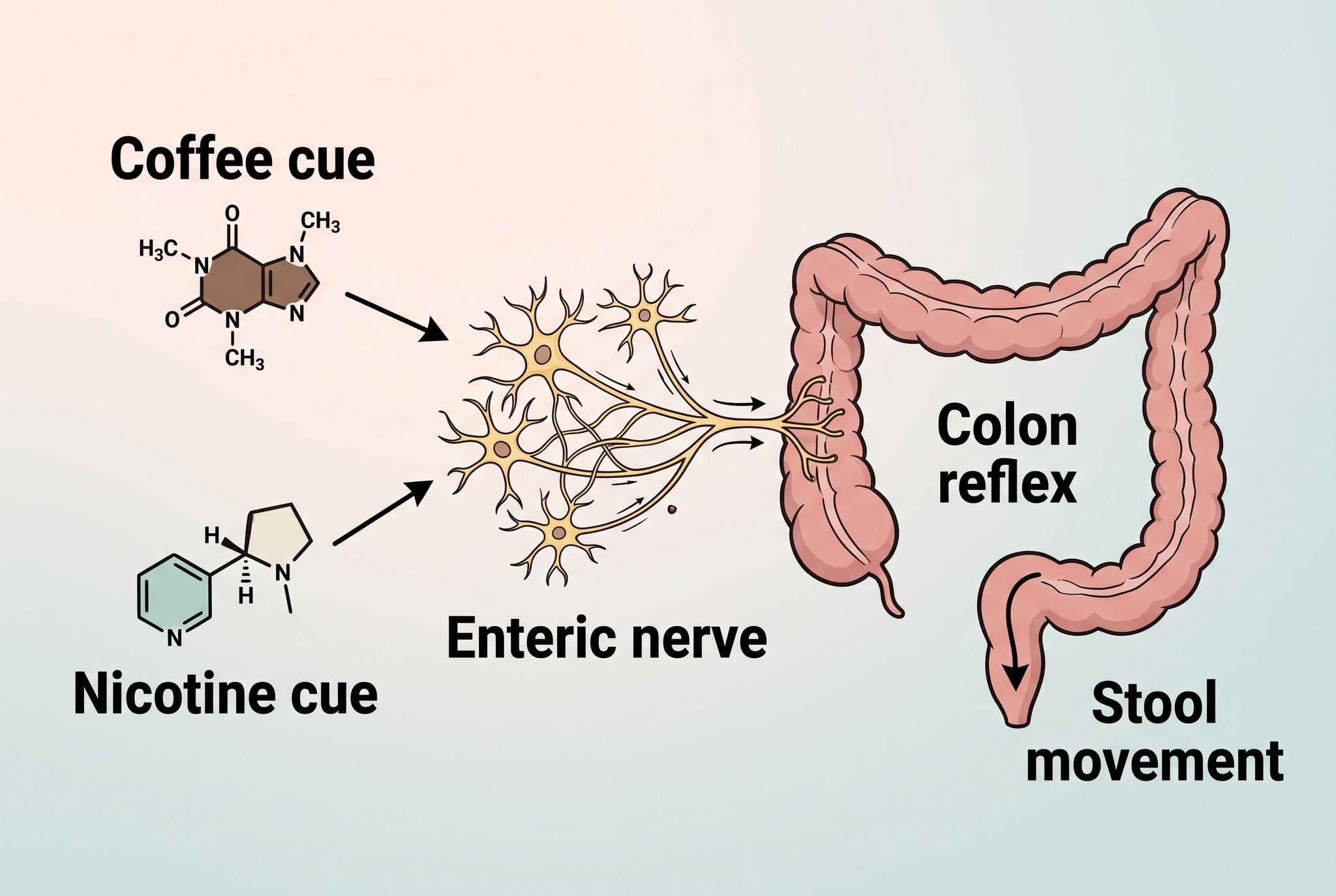
I am trying to eat more vegetables and legumes for my gut health, but they give me left-sided pain and bloating, so why do foods that are meant to help digestion make me feel worse?
Vegetables and legumes carry fibre and fermentable carbohydrates into the colon, where gut bacteria convert part of that material into gases and short-chain fatty acids. Slow transit leaves that material in the colon longer, increasing stretch in the bowel wall and making left-sided abdominal pain more noticeable when visceral sensitivity is high. Research on restrictive dietary patterns also shows that low-carbohydrate diets can reduce Bifidobacterium and faecal short-chain fatty acids, showing that food tolerance is shaped by the wider gut microbiome and transit environment.[3,4]
What should we test before changing the plan?
The assessment identifies nutritional constraints, inflammatory signals and the microbial context that can shape chronic constipation and digestive health. The selected blood, urine and molecular stool testing gives Kate's broad history a focused clinical structure.
One severe restriction day can echo into the next
18 lean adults received either 25% or 100% of estimated energy needs for one day. The restriction day increased next-day intake by about 7%.[5]
Which changes support digestion and bowel rhythm?
Chew each meal thoroughly
Thorough chewing activates the cephalic phase of digestion, increases contact between food and saliva, and gives the stomach and nervous system an early signal that nutrients are arriving. A slower eating pace allows fullness signals to develop before the meal ends and supports a steadier digestive response.
Create a clear fluid boundary around meals
Keeping liquids outside the meal and waiting 60 minutes after eating creates a clear beginning and end to each meal. This boundary reduces continuous grazing and reinforces consistent meal timing. A defined eating sequence also helps the digestive system coordinate stomach filling, gastric emptying and the bowel response that follows food intake.
Move dinner into an earlier, predictable window
Dinner at 18:00–19:00 gives the stomach and small intestine more time to process the meal before sleep. A consistent evening meal and a stable overnight interval strengthen the daily rhythm that coordinates appetite hormones, gut motility and bowel activity. This timing also separates physical hunger from late screen-led eating.
Take magnesium before sleep
Two capsules of Magnesium formulas Doctor's Formulas are taken 30 minutes before sleep. Magnesium participates in normal neuromuscular function, including the smooth-muscle activity involved in intestinal motility. Taking it at the same time each evening connects the supplement with a stable bedtime routine and supports a more consistent bowel rhythm.
Temporarily simplify the solanine-rich food pattern
Potatoes, tomatoes, eggplants, peppers, goji berries and cinnamon are temporarily removed. Reducing these solanine-containing foods simplifies the dietary pattern during the first phase and limits the number of overlapping food triggers. The aim is to reduce digestive irritation while the response to vegetables, legumes and other fibre-rich foods becomes clearer.
Reduce alcohol and add diaphragmatic breathing
Alcohol is limited to three occasions per week for three months, followed by two glasses of water. Alcohol can influence intestinal permeability, gut microbiome composition, sleep quality and gastrointestinal motility, so reducing exposure lowers a recurring digestive stressor. Five minutes of diaphragmatic breathing during the day increases parasympathetic activity and supports gut-brain regulation.
Use the short probiotic course and a steadier breakfast
Colon Life is used for 20 days, and eggs are chosen more often at breakfast. The short probiotic course supports the gut microbiome during the initial dietary changes, while a protein-containing breakfast creates a consistent morning nutrient signal. Protein also stimulates satiety hormones such as GLP-1, PYY and CCK, connecting breakfast composition with appetite regulation and digestive pacing.
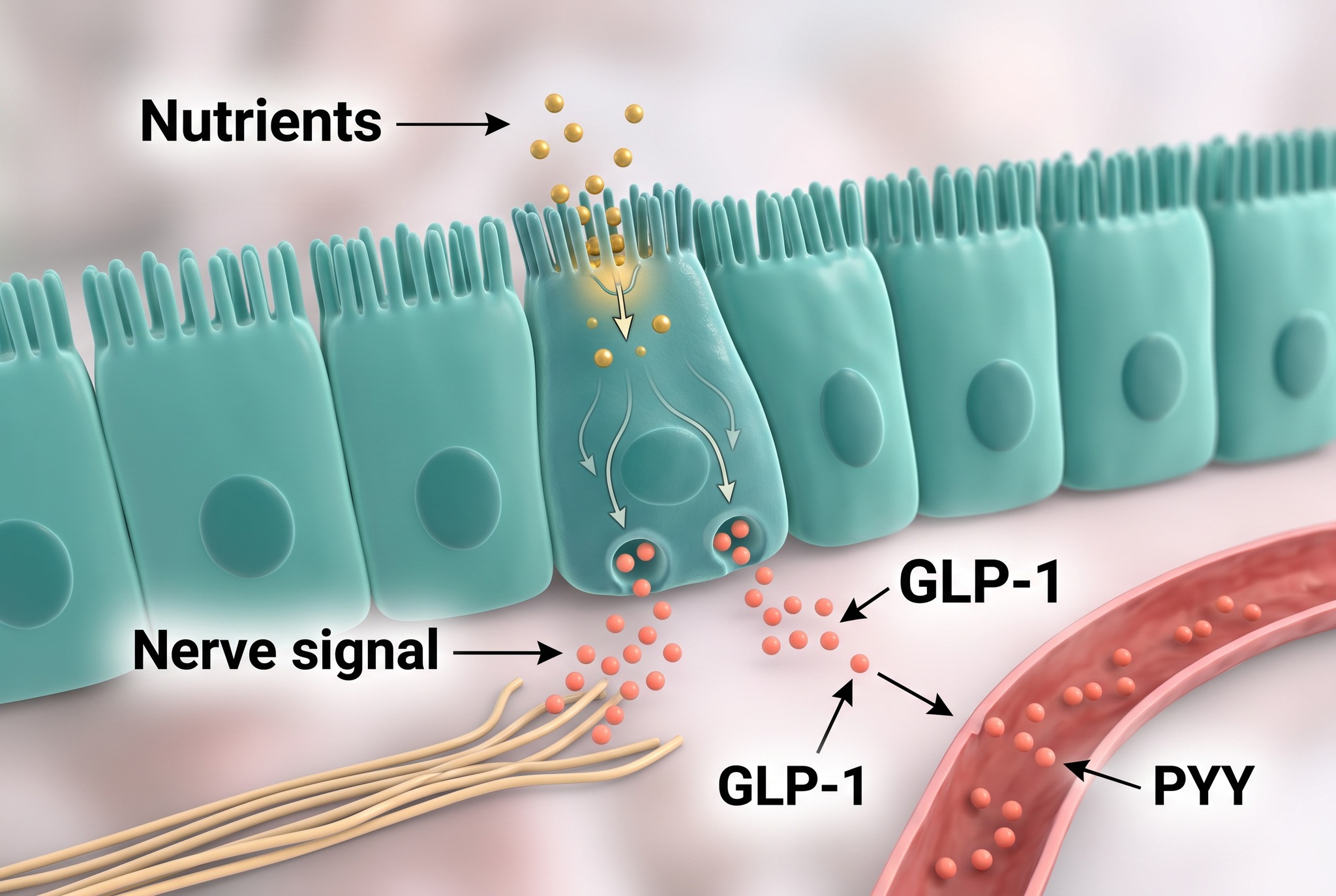
How will we know that the gut is responding?
Progress appears first as a more predictable bowel rhythm, less left-sided pain and a wider tolerated range of vegetables and legumes. Kate can record meal timing, screen use, coffee and nicotine timing, stool form, pain location and overnight waking, then read those observations beside the laboratory and microbiome findings.
The goal is a routine that no longer depends on dramatic restriction or a stimulant-triggered morning. In addition, an earlier dinner and a more regular breakfast make it easier to see whether the bowel is finding its own rhythm.
Timing, effort and stool form
The record shows whether bowel movements begin to follow a more predictable rhythm.
Vegetables and legumes
Portion, preparation and meal context reveal a clearer pattern of fibre tolerance.
Left-sided discomfort and sleep
Pain location, intensity and overnight waking show how the digestive system is responding.
Build a clearer digestive map
Connect the history, bowel pattern and selected tests in one focused assessment.
Frequently asked questions
Yes. A current BMI is one measurement within a longer history of repeated restriction, weight fluctuation, constipation and food-triggered pain.
They can become the daily cue for stool passage, so timing and effort add important detail to the bowel pattern.
Fibre and fermentable carbohydrates meet the transit pattern, microbiome and sensitivity already present in the colon, so gas and bowel-wall stretch can become painful.
The initial assessment combines a broad nutritional and inflammatory panel, targeted markers and a molecular stool microbiome test.
References
- Harvie MN, et al. Intermittent energy restriction and appetite-regulating hormones. Int J Obes. 2017.
- Varkaneh HK, et al. Calorie restriction and circulating leptin concentrations. Clin Nutr. 2021.
- Schoonakker M, et al. Low-carbohydrate diets and the gut microbiome. Nutrients. 2025.
- Koutoukidis DA, et al. Weight-loss diets and human gut microbiota. Am J Clin Nutr. 2022.
- Harris L, et al. Short-term energy restriction and subsequent energy intake. Appetite. 2016.