Klebsiella spp high in stool and what it means for you
Gas, histamine, even skin symptoms can trace back to this one gut resident.
 Klebsiella pneumoniae bacterial cell with its polysaccharide capsule, representing a high Klebsiella spp stool result" width="1200" height="800" loading="lazy">
What does Klebsiella spp high in stool actually mean?
When a comprehensive stool test comes back with Klebsiella spp high in stool, it means this normally low-level gut resident has expanded well past its usual share of the microbiome, crowding out some of the diversity a healthy gut usually keeps. Klebsiella lives quietly in a healthy gut, in soil and water, and even on skin, and most people carry a small amount of it without ever noticing it. A high result on a culture-independent panel usually points to dysbiosis, an imbalance where one opportunistic genus multiplies faster than the rest of the community can balance out.
The genus covers a handful of related species that behave differently once they take over. Klebsiella pneumoniae and Klebsiella oxytoca are the two most often flagged on stool panels, while Klebsiella aerogenes, reclassified from Enterobacter aerogenes, shows up specifically in people with a lot of gas and abdominal pain. All three belong to the Enterobacteriaceae family, the same group that includes Escherichia coli and Proteus mirabilis, gram-negative bacteria that carry lipopolysaccharide on their outer membrane. Once its numbers climb, Klebsiella becomes an active producer of enzymes and byproducts that explain a surprisingly wide range of complaints.
What Klebsiella actually does once it takes over
Klebsiella's symptoms trace back to a specific toolkit of enzymes and toxins the bacterium produces once it overgrows. Each compound does a distinct job, from breaking down starch to triggering histamine release, which is why one overgrowth can produce gas, bloating, mucosal irritation, and skin reactions all at the same time.
The enzyme and toxin arsenal
Five compounds explain most of the damage. Klebsiella pneumoniae and its relatives produce urease, which splits urea into ammonia and raises the local pH, protease and gelatinase, which break down host tissue proteins, hemolysin, which ruptures red blood cells and other host cells, lecithinase, which breaks apart cell membranes, and pullulanase, a starch-digesting enzyme that lets Klebsiella thrive on the same carbohydrates you eat. In a study of 150 clinical isolates, protease turned up in 90 percent of strains and gelatinase in 84 percent, which is why these two enzymes show up so consistently across cases.
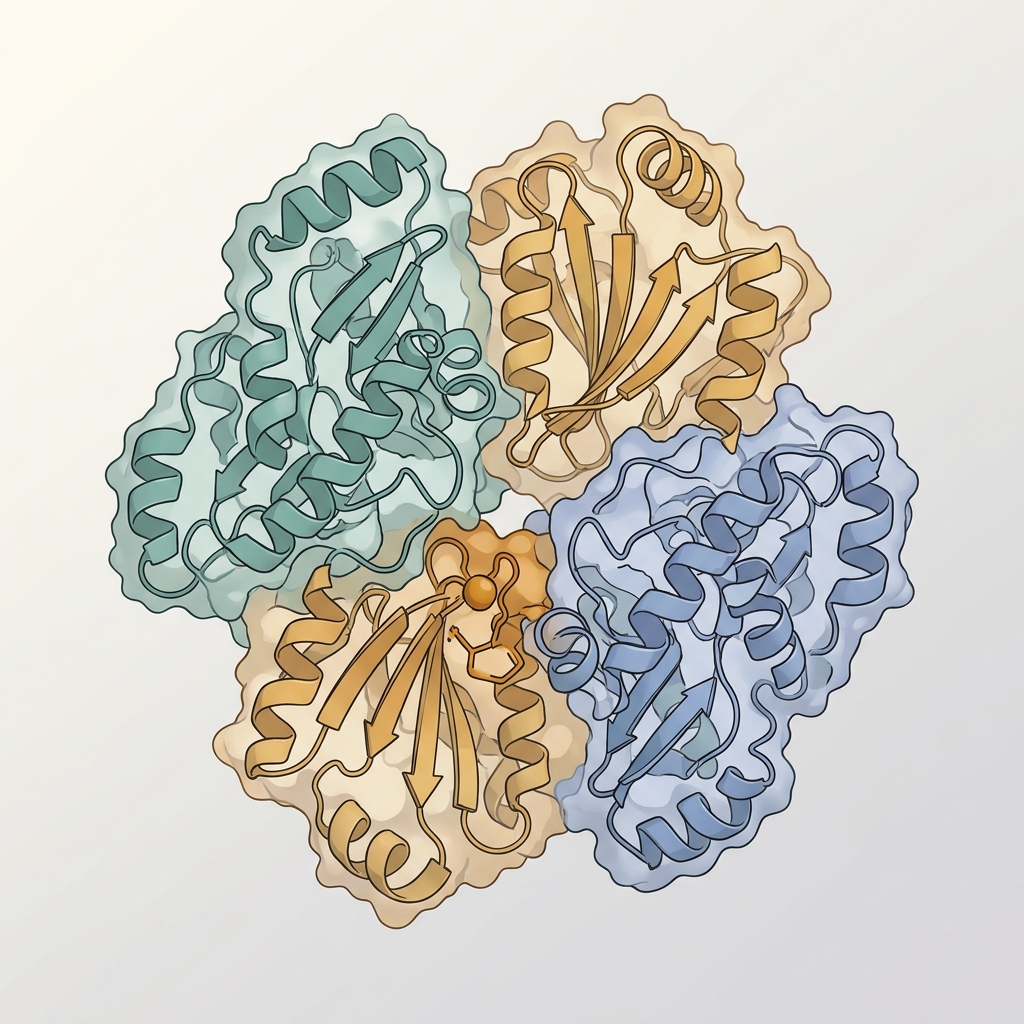
Urease
Urease
Splits urea into ammonia, raising the local pH. This helps Klebsiella survive in the gut and urinary tract, and adds to bloating and an irritated gut lining.
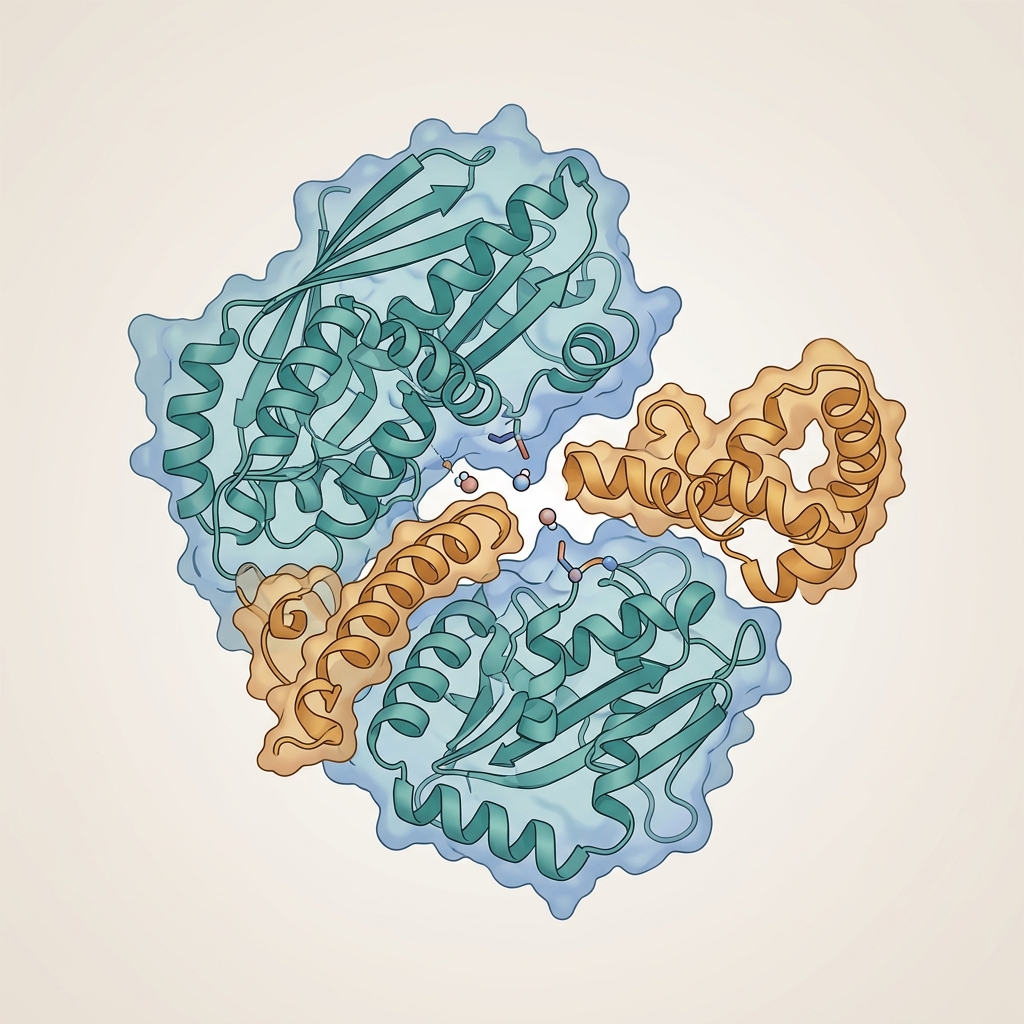
Protease and gelatinase
Protease and gelatinase
These two enzymes break down host tissue proteins. In one study they turned up in 90 and 84 percent of Klebsiella strains, making them the most consistent part of the toolkit.
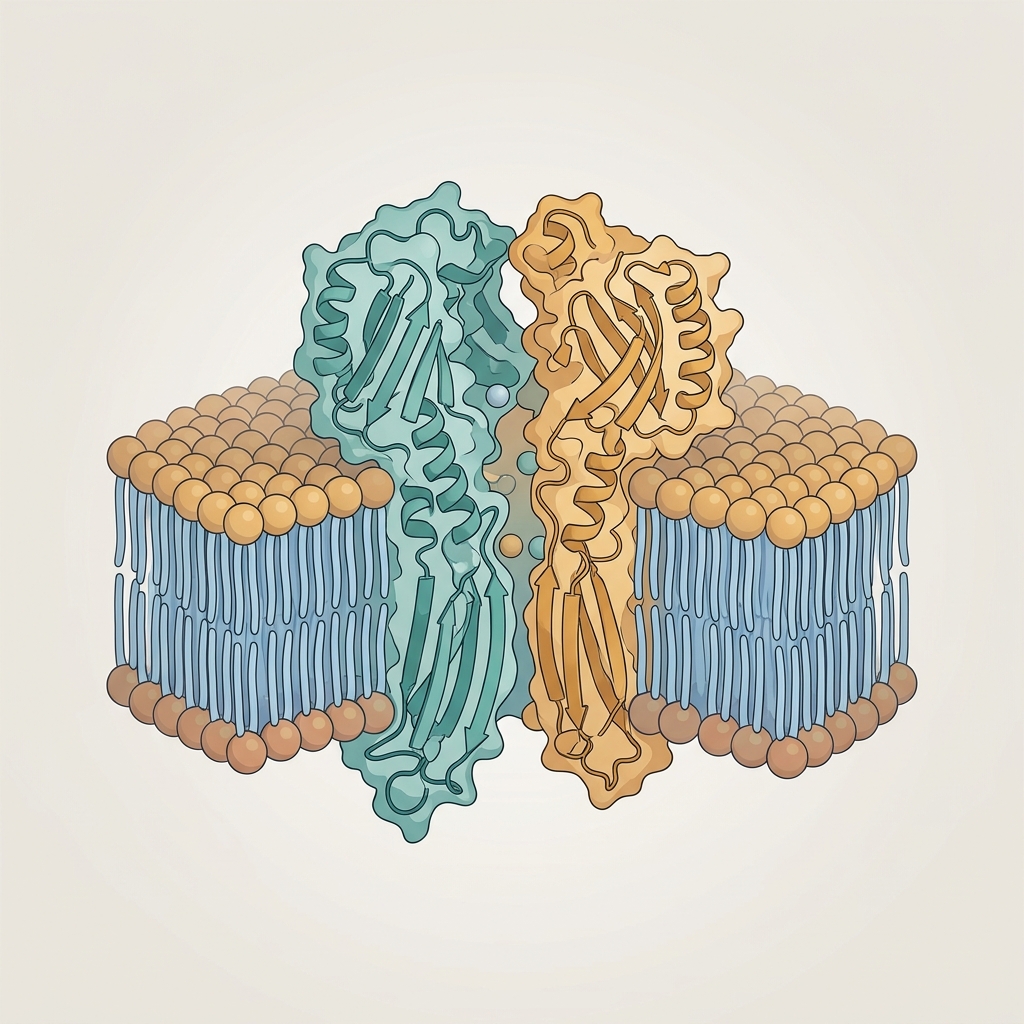
Hemolysin and lecithinase
Hemolysin and lecithinase
Hemolysin ruptures red blood cells, and lecithinase breaks apart cell membranes. Together they help the bacterium spread and add to tissue irritation wherever it takes hold.
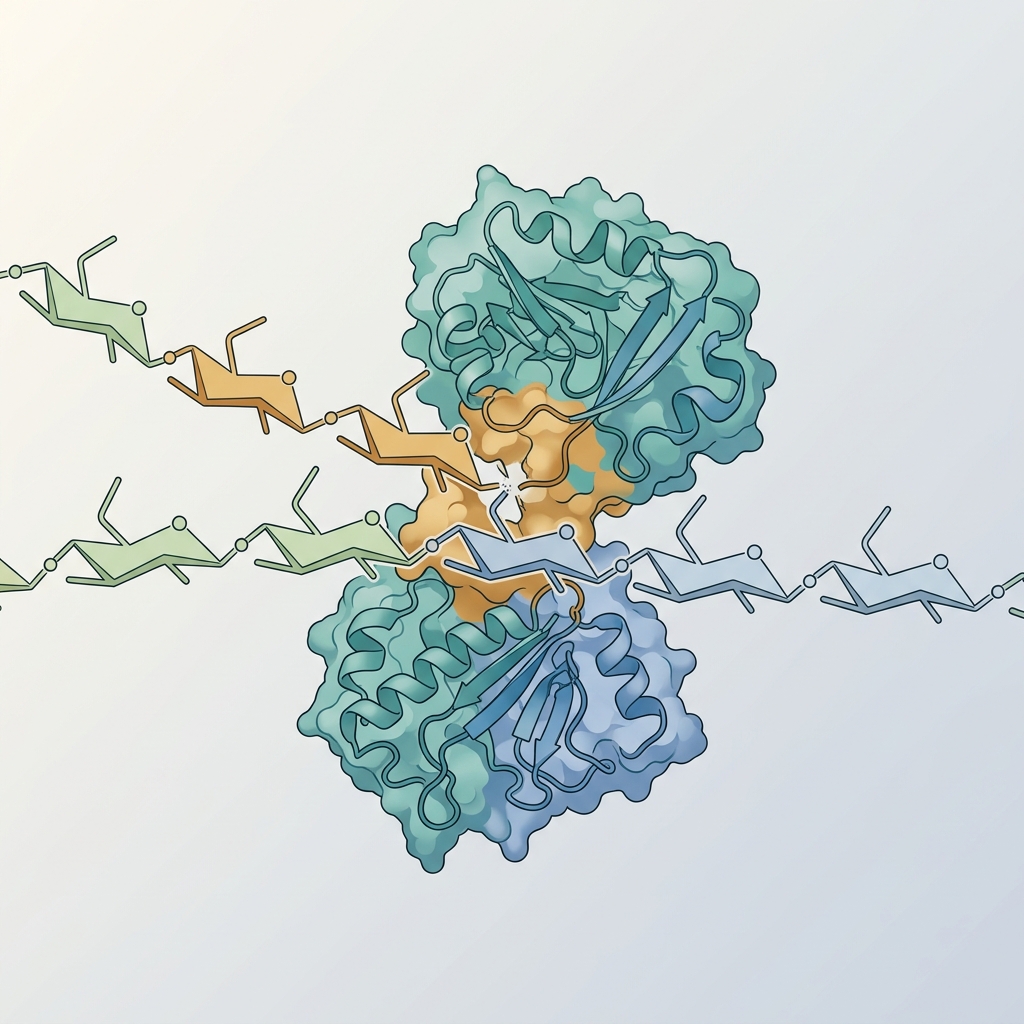
Pullulanase
Pullulanase
A starch-digesting enzyme that lets Klebsiella thrive on the same carbohydrates you eat. A specific stretch of this enzyme is linked to the HLA-B27 molecular mimicry theory.
If mismatched digestive enzymes already explain part of your bloating, matching digestive enzymes to the specific food that triggers you is worth ruling out alongside this.
Why gas, histamine, and skin symptoms follow
Histamine is the clearest link between Klebsiella and symptoms outside the gut. Klebsiella aerogenes, identified in up to 25 percent of stool samples from people with IBS, carries a hdc gene variant that converts dietary histidine into histamine directly in the colon, which then activates gut immune cells and drives visceral pain.
STUDY Klebsiella aerogenes converts dietary histidine into histamine through a strain-specific histidine decarboxylase gene, and this bacterial histamine drives visceral pain through histamine-4 receptor signaling. De Palma et al., 2022, Histamine production by the gut microbiota induces visceral hyperalgesia through histamine 4 receptor signaling in mice, Science Translational Medicine.
The same overgrowth also carries lipopolysaccharide, or LPS, on its outer membrane, and when Klebsiella cells die off inside the gut, LPS drifts across a stressed intestinal lining and into the bloodstream. Once there, it triggers a body-wide inflammatory response that can show up as fatigue, joint aches, or skin reactions like hives and itching, far from the gut itself. This gut-to-skin route is the same mechanism behind how a leaky gut barrier keeps mast cells on edge, and it explains why skin symptoms often improve once the underlying overgrowth is addressed.
Share of Klebsiella pneumoniae isolates carrying each virulence factor
Hullur, Natarajan & Sreeramulu, 2022. Share of 150 K. pneumoniae clinical isolates positive for each virulence factor.
I got a stool test back and it showed high Klebsiella. Could it really be behind all my symptoms?
Honestly, yes, more often than people expect, because Klebsiella acts on several systems at once. It makes gas and bloating through fermentation and enzyme activity, it can trigger histamine release that shows up as flushing or itching, and its LPS can leak into your bloodstream and cause fatigue or joint aches once the gut lining is stressed. So a single overgrowth genuinely can touch your gut, your skin, and how tired you feel, all from the same root cause. That's exactly why a high Klebsiella spp result on a stool test is worth taking seriously.
Does Klebsiella hide in biofilms, and can natural compounds break them down?

See how a case like this got solved
The Proteus-predominant IBS case in IBSyncrasy follows the exact same pattern, a gram-negative overgrowth driving histamine and LPS symptoms, worked through step by step from stool test to protocol. Buy IBSyncrasyKlebsiella regularly builds biofilms, dense colonies wrapped in a self-made protective layer that shields the bacteria from both antibiotics and the immune system, which is one reason overgrowth can be so stubborn to clear. In the same clinical isolate study mentioned above, just over half of strains were confirmed biofilm producers, and biofilm-forming strains are consistently harder to eradicate with a short antibiotic course.
Several plant-derived compounds have shown real anti-biofilm activity against Klebsiella pneumoniae in lab studies. Thymol emulsions reduced biofilm biomass by up to 74 percent in resistant clinical strains, and a combination of thyme and oregano oil disrupted more than 90 percent of a mixed biofilm involving Klebsiella in another trial. Berberine works at concentrations far below what is needed to kill the bacteria outright, suggesting it disrupts the biofilm structure itself as its main antimicrobial action.
Biofilm reduction seen in two lab studies on natural compounds
Two separate in vitro studies. See citations in text for details.
None of these compounds replace a full antimicrobial protocol on their own, but layering them in can make eradication easier once you know Klebsiella is biofilm-forming. Getting the sequence right matters here too, and treating gut dysbiosis in the right order usually beats jumping straight to random supplements.
Born by C-section? Why that matters for Klebsiella and allergies later
Babies born by cesarean section pick up noticeably more Klebsiella in their gut during the first weeks of life than babies born vaginally, because they skip exposure to the mother's vaginal and gut flora and pick up hospital-associated bacteria instead. That early difference in colonization carries forward into measurable health outcomes later on.
STUDY In a case-control study following infants from three weeks to three years of age, a higher ratio of Klebsiella to Bifidobacterium in early stool samples predicted greater odds of developing allergic disease, including eczema, by age three. Low et al., 2017, Ratio of Klebsiella/Bifidobacterium in early life correlates with later development of paediatric allergy, Beneficial Microbes.
This fits a broader pattern seen across birth-cohort studies, where the specific gut bacteria that expand after a cesarean delivery, Klebsiella among them, are tied to a higher likelihood of atopic dermatitis, food allergy, and asthma developing over the following years. None of this means a cesarean birth guarantees allergy problems, but it does mean the early Klebsiella-heavy gut is a real, measurable starting point worth knowing about, especially if allergic symptoms show up later without an obvious cause.
The Klebsiella-autoimmune connection: HLA-B27 and spondyloarthropathy
In people who carry the HLA-B27 gene, Klebsiella has a documented link to ankylosing spondylitis and other forms of spondyloarthropathy, through a mechanism called molecular mimicry. Certain Klebsiella molecules share a short stretch of structure with HLA-B27 itself, and antibodies made against the bacterium can end up reacting against the body's own joint and spinal tissue.
The molecular mimicry theory
The theory was first laid out by immunologist Alan Ebringer and colleagues at King's College London, who found that antibodies from HLA-B27 positive patients with ankylosing spondylitis cross-reacted with Klebsiella antigens sharing sequence homology with the HLA-B27 molecule itself. A related finding traced part of this mimicry to a specific stretch of Klebsiella's pulA pullulanase enzyme, the same starch-digesting enzyme covered in the flip cards above, which shares structural similarity with human collagen.
STUDY Antibodies from HLA-B27 positive patients with ankylosing spondylitis reacted against Klebsiella pneumoniae antigens sharing a six amino acid sequence with the HLA-B27 molecule itself, supporting molecular mimicry as a mechanism for the disease. Schwimmbeck, Yu & Oldstone, 1987, Autoantibodies to HLA-B27 in the sera of HLA-B27 patients with ankylosing spondylitis and Reiter's syndrome, Journal of Experimental Medicine.
Biochemical studies have revealed that Klebsiella bacteria not only possess two molecules carrying sequences resembling HLA-B27, but increased quantities of such microbes are found in fecal samples obtained from ankylosing spondylitis patients.
How many people with ankylosing spondylitis carry HLA-B27
Rashid, Ebringer & Wilson, 2013. Approximate share of ankylosing spondylitis patients carrying the HLA-B27 gene.
This is exactly the pattern I see often in practice. In people already dealing with Crohn's disease or a spondyloarthropathy, Klebsiella turns up in stool testing far more often than in the rest of the patients I work with, which lines up with the mucosal damage both conditions share.
I read that Klebsiella is linked to spondyloarthropathy. Before my first symptoms I had Klebsiella UTIs. Could that be connected?
It's a fair question to ask, and the research backs up the concern. Klebsiella urinary infections and Klebsiella gut overgrowth both expose your immune system to the same bacterial antigens, the ones that resemble HLA-B27 in people who carry that gene. Combined with joint symptoms and a family history worth checking, a prior Klebsiella UTI is a pattern worth testing properly, starting with HLA-B27 status and a comprehensive stool panel for Klebsiella spp.
Why a low-starch diet keeps coming up
Klebsiella depends heavily on dietary starch to grow in the gut, since pullulanase and related enzymes let it digest the same starches you eat. Reducing starch intake was shown to lower Klebsiella levels and improve symptom scores in a nine-month trial of ankylosing spondylitis patients, and it remains one of the most consistent dietary levers described in this body of research.
STUDY In a nine-month trial, ankylosing spondylitis patients following a low-starch diet showed a significant drop in erythrocyte sedimentation rate, a marker of active inflammation, alongside symptom improvement. Ebringer & Wilson, 1996, The use of a low starch diet in the treatment of patients suffering from ankylosing spondylitis, Clinical Rheumatology.
I see this overlap constantly in practice. Crohn's disease and spondyloarthropathy both show up alongside Klebsiella far more often than chance would explain, and the histamine and LPS mechanisms described earlier in this piece are the same ones driving symptoms in a similar gram-negative overgrowth case I've worked through with a patient before. If your own stool test flagged Klebsiella spp at a high level, that result is genuinely a starting point for connecting your gut, skin, and joint symptoms, which usually turn out to share the same root.
Ready to get to the root of your Klebsiella overgrowth?
IBSyncrasy walks through real gram-negative overgrowth cases from stool test to full protocol, the same pattern behind a high Klebsiella spp result.
Frequently asked questions
The classic signs are gas, bloating, loose stool, and stomach discomfort, since Klebsiella's enzymes ferment carbohydrates and irritate the gut lining. But it rarely stays contained to the gut. Its histamine production and LPS release can carry symptoms outward to the skin, showing up as itching, hives, or flare-ups of eczema, and to other organs as fatigue, brain fog, or joint aches once the overgrowth has been active for a while.
Clearing Klebsiella usually takes a longer antimicrobial course than most people expect, often measured in weeks, paired with real repair of the gut lining. The mucosa tends to break down the longer a Klebsiella overgrowth has been active, and skipping that repair step is the most common reason treatment fails to hold.
Yes, and it's common enough that most patients should expect it as part of the process. Getting Klebsiella fully cleared, or down to a very low, harmless level, is usually a long-term project spanning several rounds of treatment. A strict reduction in dietary starch often makes a real difference in keeping levels down once the first round of treatment is done.