Glycine for autism explained through the evidence so far
Glycine does two separate jobs that matter for autism, and most articles only mention one. It helps open the NMDA receptor as a co-agonist, and separately, it supplies the raw material the body uses to build creatine. Here is what the research actually supports, and where the evidence still falls short.
How glycine and autism are connected through the NMDA receptor
Autism spectrum disorder is a neurodevelopmental disorder marked by differences in social interaction and communication, and a growing body of biochemical and genetic research increasingly traces individual cases to a specific molecular abnormality, such as a single gene mutation that alters synaptic protein function or neurotransmitter signaling and that a clinician can sometimes identify, regulate, or normalize. Glycine is a required co-agonist at the NMDA receptor, the glutamate-gated channel that several autism theories point to, and the channel opens only when glycine and glutamate are both bound at the same time.
The receptor is built from four subunits, typically two GluN1 subunits and two GluN2 subunits. Glutamate binds the GluN2 subunit. Glycine binds a separate pocket on GluN1. Both sites have to be occupied, together with a release of the receptor's magnesium block, before calcium can flow through the channel and the synapse can strengthen.
What glycine actually does at the NMDA receptor's co-agonist site
Cryo-electron microscopy structures of the human receptor show the glycine-binding pocket as a small, bilobed fold that closes around the molecule once it binds, similar to a clamshell. That shift passes down through the receptor to the transmembrane channel, and it is one of the two conditions the channel needs to open. Glutamate, itself a neurotransmitter, does nothing alone without it. Once the channel opens and calcium enters, the resulting signal can trigger the local protein synthesis that strengthens the synapse, part of why NMDA receptor function matters so much for neurological development.
Why scientists disagree about glycine's role in autism spectrum disorder
Researchers studying autism spectrum disorder disagree on which direction to push NMDA receptor activity, and both camps have real data behind them. One line of research lowers glutamatergic signaling on the theory that excess NMDA activity drives autistic traits. A separate, newer line raises it instead, on the theory that NMDA receptor hypofunction is the actual problem.
The case for lowering NMDA activity in autism
This older approach treats NMDA receptors as overactive contributors to glutamatergic toxicity in autism, and it points to NMDA antagonists as the logical fix. The reasoning rests on broader excitatory and inhibitory imbalance models of autism spectrum disorder, where too much glutamate signaling is thought to overwhelm developing circuits.
The 2026 case for boosting NMDA activity instead
A 2026 study went the opposite direction and normalized NMDA receptor function by increasing glycine's effect at the receptor, correcting a well-documented deficit in receptor signaling seen in this form of autism. Researchers suppressed a specific glycine transporter, SLC6A20, using antisense oligonucleotides in a mouse model carrying Shank2 or Shank3 mutations, both established autism-risk genes also linked to intellectual disability, repetitive behavior, and Phelan-McDermid syndrome. Each mutation responds somewhat differently, and unlike the older, more widespread GlyT1 transporter, SLC6A20 sits mainly in cognition-related brain regions like the cortex and hippocampus, so blocking it raised local glycine levels while avoiding the breathing and motor side effects that have limited earlier GlyT1 drugs.
The treatment restored normal NMDA receptor activity in the mice and reversed several autism-linked behaviors, and the same antisense approach worked in human cortical organoids grown from Shank2 and Shank3 mutant cells using CRISPR gene editing.
Unlike gene re-expression strategies, SLC6A20 inhibition works by modulating endogenous signalling pathways and may offer a more practical therapeutic route.
| Research direction | Core finding |
|---|---|
| Lower NMDA activity (older approach) | Treats glutamatergic signaling as excessive in autism spectrum disorder and targets NMDA antagonists to reduce it. |
| Raise NMDA activity via SLC6A20 (2026) | Suppresses a region-specific glycine transporter, restores NMDA receptor function, and reverses autism-linked behavior in Shank2 and Shank3-mutant mice and human cortical organoids. |
STUDY Suppressing the glycine transporter SLC6A20 restored NMDA receptor function and reversed autism-linked behaviors in Shank2 and Shank3-mutant mice and in human cortical organoids. Roh et al., 2026, Glycine-modulating Slc6a20a-ASO restores NMDA receptor function in SHANK2 and SHANK3-mutant mice and cortical organoids, Nature Communications.
What the evidence really shows about glycine for autism supplementation
Direct supplementation evidence here is thin, and it points in a different direction than the receptor mechanism might suggest. A handful of small studies have looked at glycine levels or glycine-related supplements in autistic children, and none of them show a clear benefit from adding more glycine.
One early case series found persistently elevated plasma glycine and glutamine in a small subset of screened children with autism, a pattern the same group later connected to a clinical response to dextromethorphan, a separate line of treatment from glycine supplementation itself. A double-blind, placebo-controlled trial of dimethylglycine, a related compound, followed 37 children for four weeks and found no significant difference between the treatment and placebo groups on standardized behavior scales. An earlier, smaller crossover trial of eight autistic males reached a similar conclusion.
Screened autistic probands with persistently elevated glycine or glutamine
2 of 60 consecutively screened autistic probands, Genetics in Medicine, 1999.
STUDY In a double-blind, placebo-controlled trial, 37 children with autism or pervasive developmental disorder showed no significant difference between dimethylglycine and placebo on standardized behavior scales after four weeks. Kern et al., 2001, Effectiveness of N,N-Dimethylglycine in Autism and Pervasive Developmental Disorder, Journal of Child Neurology.
My son is 7 and non-verbal, and his pediatrician mentioned his labs showed slightly elevated glutamine. Does that mean glycine supplements could make things worse, or is that a different issue entirely?
Elevated glutamine on a lab panel doesn't automatically tell you what to do with glycine, since the two amino acids sit right next to each other metabolically and levels can shift for a lot of reasons, including diet and lab timing. The small studies that found this pattern didn't treat it by adding more glycine, they looked at overall glutamatergic load instead. Before changing any supplement based on one lab value, it's worth getting the full amino acid panel reviewed alongside his symptoms too.
Glycine is also the amino acid your body uses to build creatine
Away from the NMDA receptor, glycine has a second job that gets far less attention: it is one of the two raw materials the body uses to make creatine. An enzyme called AGAT, encoded by the GATM gene, combines glycine with arginine in the kidney to form guanidinoacetate, a metabolite that travels to the liver, where a second enzyme, GAMT, converts it into creatine.
This is a completely separate pathway from the NMDA story, with its own enzymes, its own organs, and its own clinical literature. The two-enzyme route that turns glycine into creatine plays a central role in how a child's brain gets its fuel, and the full mechanism, including the transporter that carries finished creatine into brain and muscle cells, is covered in more depth elsewhere on this site.
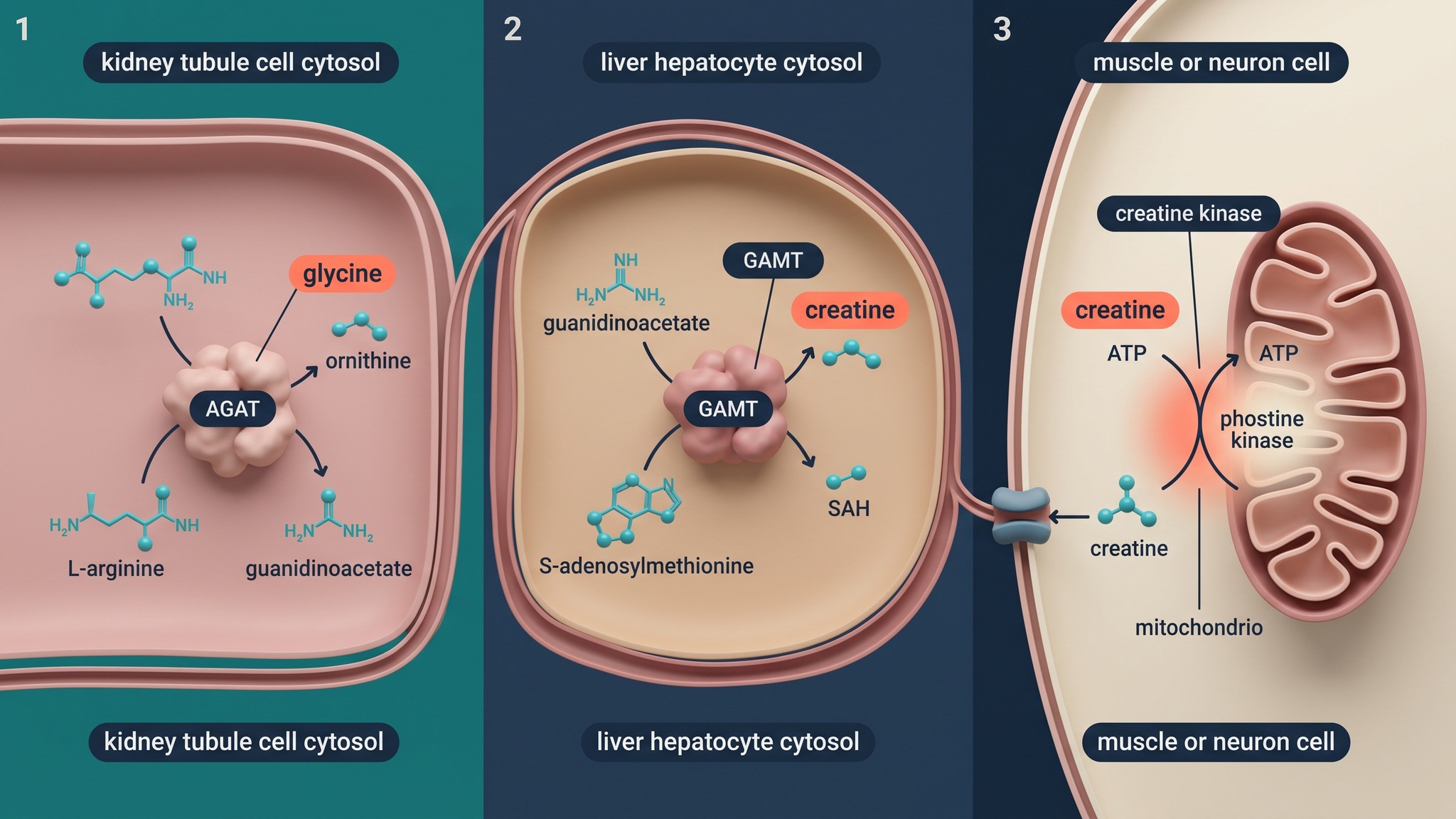
Why creatine and phosphocreatine may matter more for brain energy in ASD
Phosphocreatine gives the brain a much faster way to regenerate ATP than ordinary metabolism allows, and that speed advantage is where the ASD connection gets stronger than the NMDA story on its own. Creatine kinase produces ATP from phosphocreatine far faster than oxidative phosphorylation, which matters most during the fast, high-demand bursts of brain function that speech, coordination, and new learning all require.
Mitochondrial dysfunction shows up in autism spectrum disorder far more often than in the general population, and phosphocreatine sits directly downstream of mitochondrial ATP output. Creatinopathies affecting AGAT, GAMT, or the creatine transporter are under-recognized on the autism spectrum, and screening for them specifically often gets skipped in a standard workup.
Diagnosable mitochondrial disease, ASD vs the general population
Rossignol & Frye, 2012, Molecular Psychiatry. Meta-analysis, ASD estimate 5.0% (95% CI 3.2-6.9%).
STUDY A meta-analysis found diagnosable mitochondrial disease in 5.0% of children with autism spectrum disorder (95% CI 3.2-6.9%), compared with an estimated 0.01% in the general population. Rossignol & Frye, 2012, Mitochondrial dysfunction in autism spectrum disorders: a systematic review and meta-analysis, Molecular Psychiatry.
I read that creatine supplements are trendy for muscle building, but could creatine actually help my daughter's brain energy, or is that just marketing aimed at gym people?
Creatine's reputation as a gym supplement and its role in brain energy are the same chemistry doing two different jobs in two different places. In muscle it buffers ATP for sprinting and lifting, and in the brain it buffers ATP for the split-second energy bursts behind speech and new motor skills. The autism-specific research examines creatine synthesis and transport directly, using clinically guided doses very different from bodybuilding regimens, and both lean on the same phosphocreatine system.
A structured way to work with this energy system
Autism and Learning: First time Every time walks through creatine, methylation, and brain energy step by step, connecting these same mitochondrial findings to a practical, personalized approach. Buy the bookWhat families considering glycine for autism should do next
Families weighing glycine and creatine for autism are usually better served by testing than by guessing, since the NMDA and creatine stories point toward different, specific things worth measuring before choosing any single supplement. A biochemical work-up that looks at glycine, glutamine, and creatine-related markers together gives a clearer answer than starting any single supplement first.
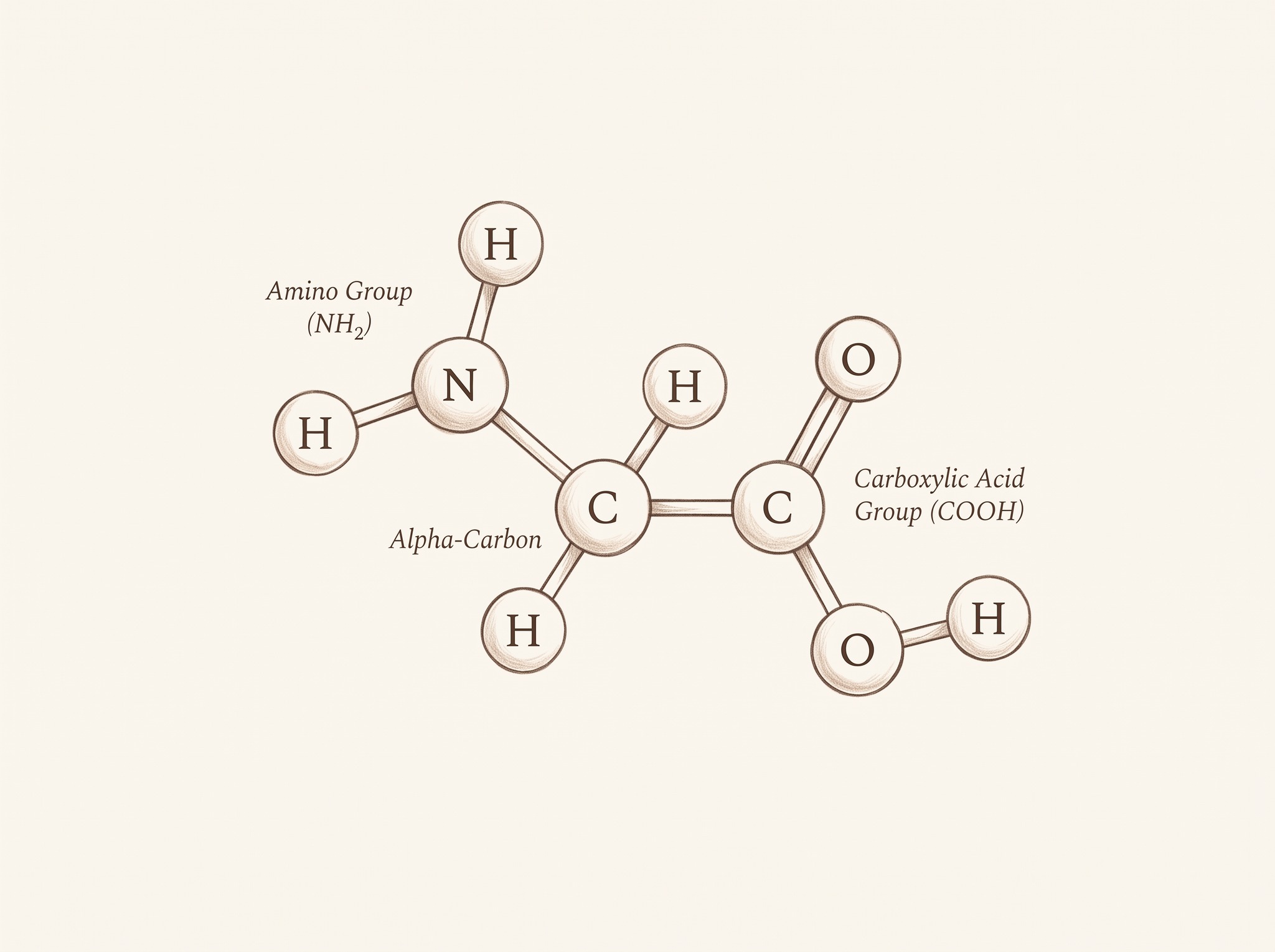
Glycine
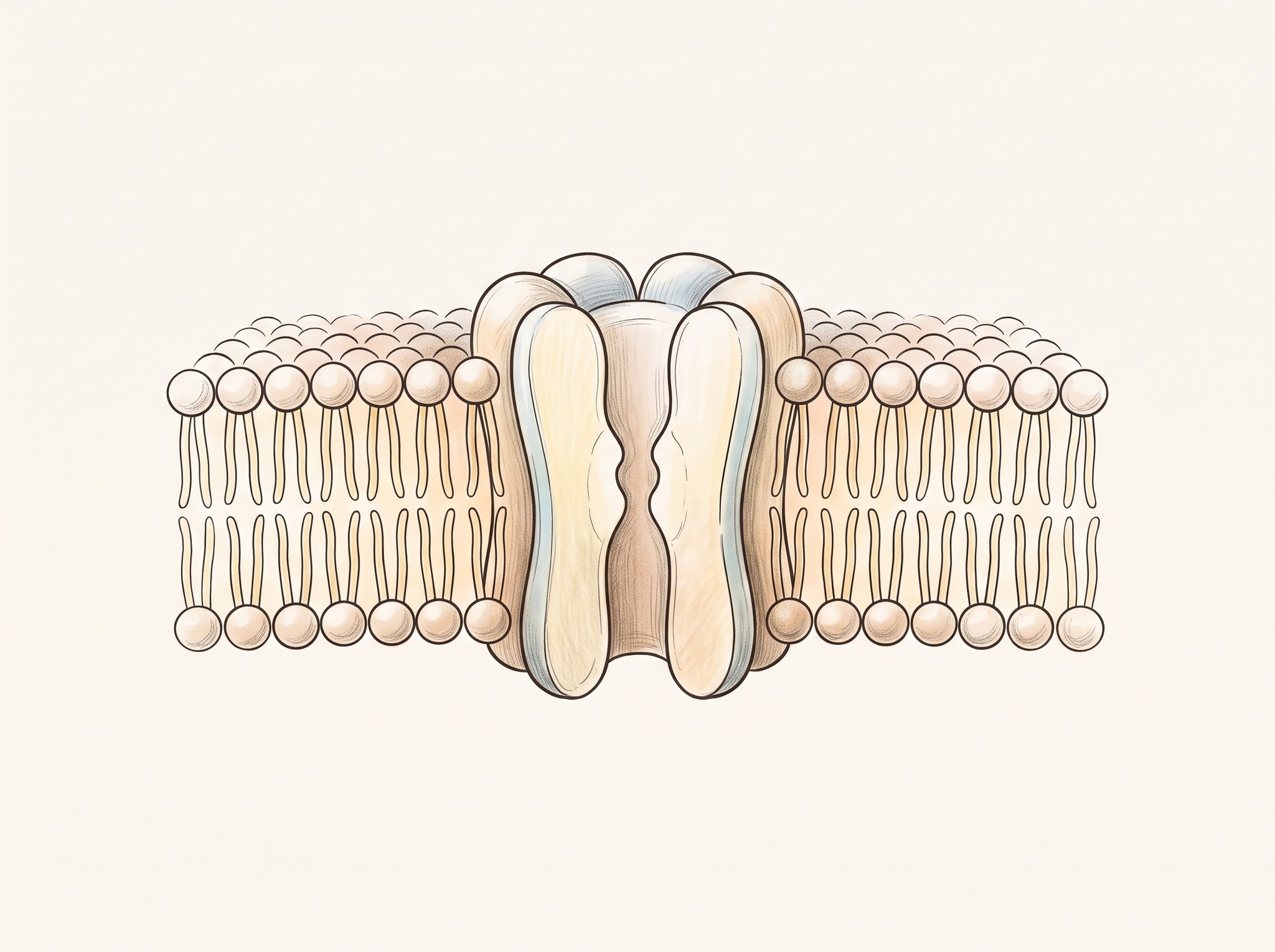
NMDA receptor
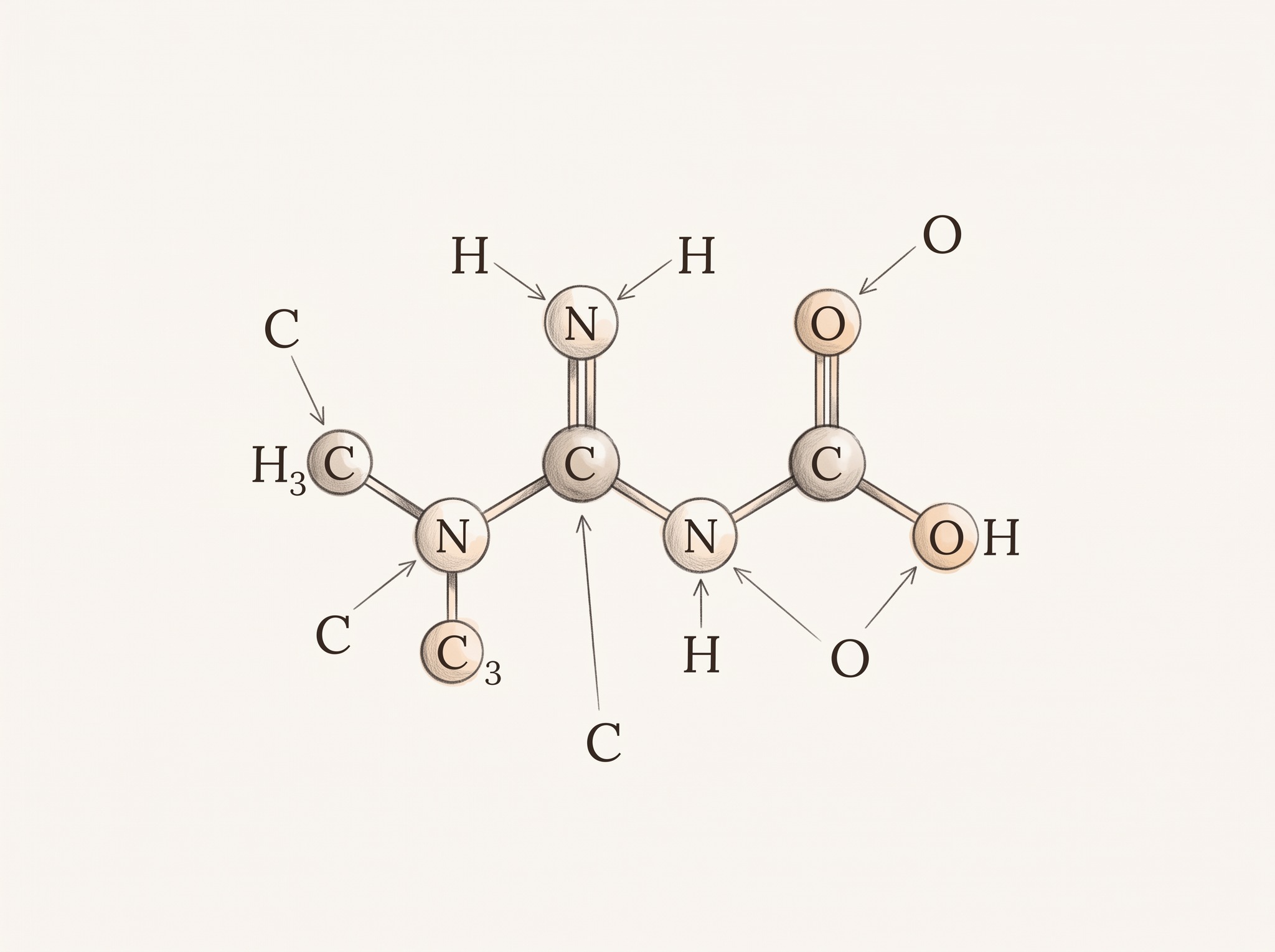
Creatine
For a closer look at the practical side, how creatine deficiency affects speech and movement is covered in a short video walkthrough elsewhere on this site.
Whether the next step is a lab panel or a supplement trial, the honest starting point for glycine for autism is treating it as two separate questions.
Two mechanisms, one structured next step
Autism and Learning: First time Every time connects the NMDA receptor, creatine, and brain energy findings to a practical, personalized approach for families.
Frequently asked questions
The clearest, best-supported benefit sits at the NMDA receptor, where glycine acts as a required co-agonist, and a 2026 study restored receptor function in Shank2 and Shank3-mutant mice by raising local glycine activity through a specific transporter. Direct glycine supplementation trials haven't shown the same benefit, so the receptor mechanism and the supplement evidence currently point in different directions.
The evidence for glycine and ADHD is much thinner than for autism, since most existing research on glycine and ADHD focuses on sleep quality more than on attention or hyperactivity. No single mutation studied in a mouse model has been shown to regulate ADHD symptoms through glycine the way Shank2 and Shank3 mutations regulate NMDA receptor protein signaling in autism, so any specific ADHD claim would need its own dedicated trials.
Questions about BCAAs come up almost as often as questions about glycine. Branched-chain amino acids, namely leucine, isoleucine, and valine, are the other amino acid group studied most often alongside glycine in autism spectrum disorder, largely because several metabolomic studies report altered BCAA levels, and sometimes fatty acid levels, in children with ASD compared with typically developing peers. Research on BCAA supplementation for autism symptoms specifically is still preliminary, and like glycine, the strongest findings so far describe metabolic differences, with treatment effects still under investigation.
Neither form of dietary supplementation carries high risk at typical doses, but starting blind skips the information that actually guides a useful decision, since glycine and creatine point to different underlying issues that only testing can distinguish. Checking amino acid and creatine-related markers first, alongside kidney function for creatine specifically, gives a much clearer picture of whether either is likely to help.