Migraine and IBS: the histamine link
Migraine and IBS show up together far more often than chance would allow, and a widening body of research points to a shared culprit working underneath both conditions: how gut bacteria and mast cells handle histamine, tryptase and serotonin. The food on the plate is rarely the real trigger. What the microbiome does with it usually is.
What is the relationship between migraine and IBS?
Migraine and IBS overlap far more than chance would predict, and the connection now has solid numbers behind it. Pooled data from 22 studies covering more than 340,000 people show that having IBS roughly doubles the odds of also carrying a migraine or headache diagnosis, and having migraine raises the odds of a comorbid IBS diagnosis even further.
The two conditions are usually filed under separate specialties, gastroenterology for one, neurology for the other, which can obscure how closely they track together in the same patient. Researchers increasingly describe them as sitting on the same spectrum of central nervous system sensitivity rather than as two unrelated diagnoses that happen to coincide.
How often migraine and IBS overlap
Todor and Fukudo, 2023, BioPsychoSocial Medicine. Pooled odds ratios and hazard ratio from 22 studies, 286,993 IBS patients and 53,520 migraine patients. Reference line at 1 (no association).
STUDY Pooling 22 studies and more than 340,000 patients combined, the odds of comorbid IBS ran highest among migraine sufferers, at roughly two and a half times that of people without migraine. Todor and Fukudo, 2023, Systematic review and meta-analysis of calculating degree of comorbidity of irritable bowel syndrome with migraine, BioPsychoSocial Medicine.
Do people with IBS get migraines?
Yes, and by a wide margin. In practice, migraine comes up constantly in patients who were referred for gut symptoms alone, often mentioned almost in passing rather than as their main complaint.
Across the studies pooled in the comorbidity data above, migraine sufferers carried roughly two and a half times higher odds of also meeting criteria for IBS than people without migraine, and that gap held up whether the migraine came first or the gut symptoms did. What stands out clinically is how rarely patients connect the two on their own. Someone will describe years of bloating, abdominal pain and irregular bowel habits, then mention their headaches almost as an afterthought, not realizing the two are frequently part of the same picture.
This is one of the clearest patterns in migraine and IBS work: migraine is not an occasional coincidence in these patients, it is a recurring feature that deserves its own line of questioning during a first consultation.
What connects migraine and IBS in the gut-brain axis?
At least three separate biological pathways tie migraine and IBS together, and a fourth has emerged more recently from gut microbiota research. None of them start with the food on the plate. They start with what a person's gut bacteria and immune cells do with that food once it arrives, which is why the same meal can pass without incident on one day and set off a migraine on another.
Histamine and mast cells
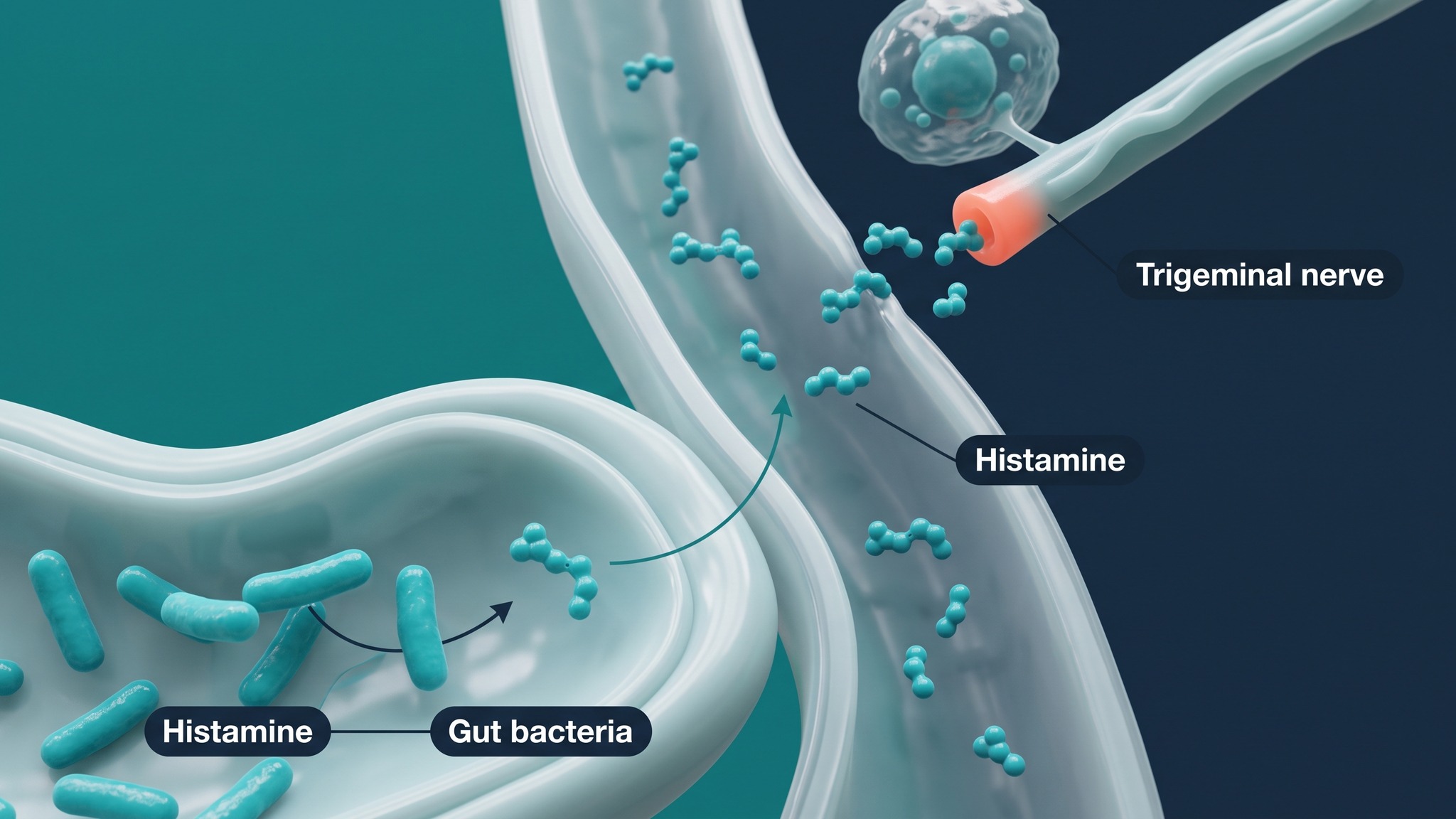
Histamine is the most direct of the three mechanisms. Gut bacteria that carry the enzyme histidine decarboxylase convert dietary histidine into histamine, and in a person with reduced diamine oxidase activity, the main enzyme responsible for breaking histamine back down, that histamine builds up rather than clearing. Similar disruption of histamine and gastric signaling shows up in other gut conditions tied to bacterial overgrowth and disrupted gastric signaling, which is part of why the two so often travel together..
Once histamine levels rise, meningeal mast cells, immune cells that sit inside the brain's own lining rather than in the gut, become far easier to trigger. When these mast cells degranulate, they release histamine directly onto nearby trigeminal nerve fibers, and controlled studies in animal models have shown that this degranulation alone is enough to activate the same pain pathway responsible for migraine headache.
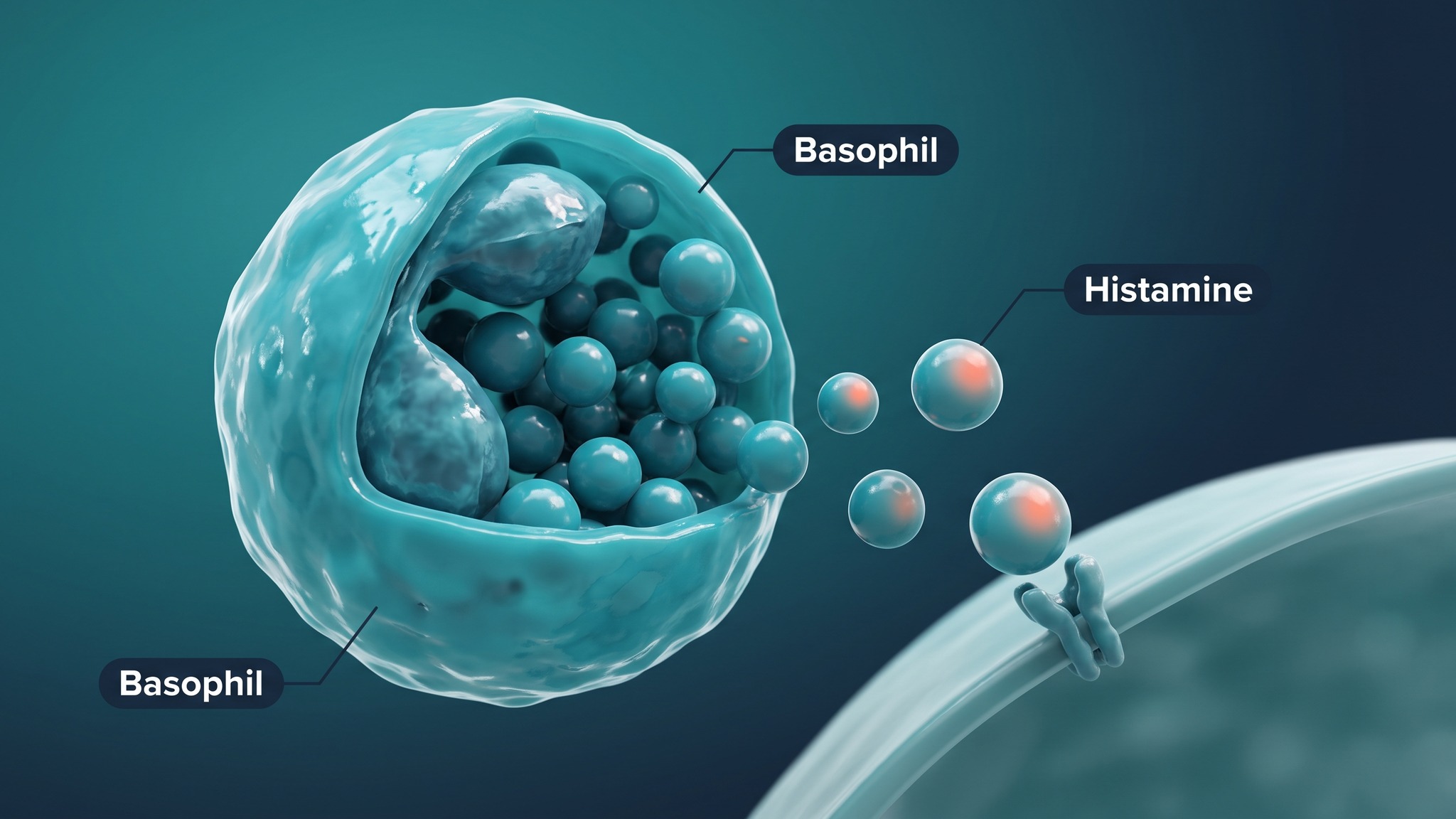
STUDY Triggering mast cell degranulation directly in the meninges was enough on its own to switch on the same trigeminal pain pathway responsible for migraine headache. Levy et al., 2007, Mast cell degranulation activates a pain pathway underlying migraine headache, Pain.
Tryptase and nerve sensitization
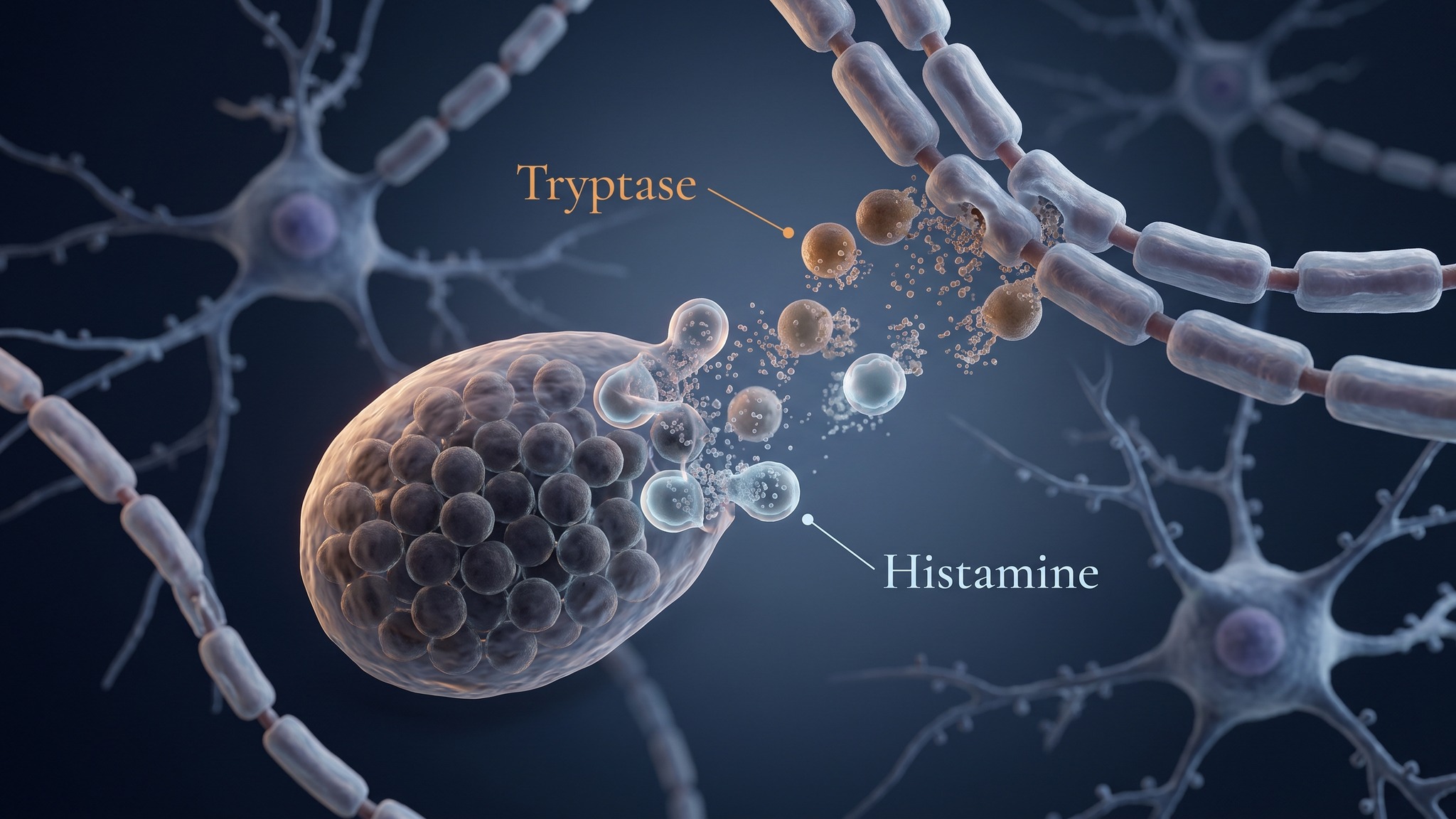
Tryptase is released from the same mast cell granules as histamine, but it works through a completely different route. As a protease, tryptase cleaves and activates a receptor called PAR2 that sits directly on trigeminal nerve fibers, and activating PAR2 lowers the threshold at which those fibers fire.
In practical terms, this means tryptase does not need to build up over hours the way dietary histamine does. It acts locally and quickly, sensitizing the same nerve pathway that carries migraine pain, which is one reason attacks can escalate faster than blood histamine levels alone would explain.
STUDY Activating the PAR2 receptor on meningeal nerve fibers, the same receptor tryptase cleaves and switches on, was enough to sensitize those fibers and lower their firing threshold. Zhang and Levy, 2008, Modulation of meningeal nociceptors mechanosensitivity by peripheral proteinase-activated receptor-2, the role of mast cells, Cephalalgia.
Serotonin's double role in gut and brain
Serotonin complicates the picture because it plays two almost opposite roles depending on where it acts. More than 90 percent of the body's serotonin is made in the gut, largely by enterochromaffin cells and a handful of specific gut bacteria, where it governs motility, secretion and how strongly the gut registers pain.
Inside the meninges, serotonin released from mast cells has the opposite problem. Depending on which receptor subtype it reaches, it can either constrict or dilate the meningeal blood vessels and increase trigeminal nerve firing, which is also why triptans, drugs that mimic serotonin at one very specific receptor, remain a frontline migraine treatment.
A fourth path: gut bacteria and inflammatory signaling
The newest piece of the puzzle comes from gut dysbiosis itself, independent of histamine or serotonin. In one animal study, disrupting the gut microbiota with antibiotics prolonged migraine-like pain, and that prolongation depended entirely on a rise in tumor necrosis factor alpha (TNF-alpha) inside the trigeminal nociceptive system. Blocking TNF-alpha, or simply restoring the microbiota with probiotics, reversed the effect.
This fits a pattern seen across post-infectious IBS and antibiotic-disrupted cases as well, where a gut that has lost its normal bacterial balance tends to run a low background level of inflammation that can sensitize distant nerve pathways, not just the ones inside the gut wall.
STUDY In mice, disrupting the gut microbiota with antibiotics prolonged migraine-like pain, and the effect depended entirely on a rise in TNF-alpha inside the trigeminal nociceptive system, since blocking TNF-alpha or restoring the microbiota with probiotics reversed it. Tang et al., 2020, Gut microbiota dysbiosis enhances migraine-like pain via TNFalpha upregulation, Molecular Neurobiology.
Which gut bacteria have been studied in connection with migraine?
Six organisms come up repeatedly when researchers compare the gut microbiota of migraine patients with matched, headache-free controls, and the pattern is consistent across studies. The species that tend to be depleted are generally the same ones linked to calmer, better-regulated gut function elsewhere in the microbiome literature, while the ones enriched in migraine patients skew toward more inflammatory, less fiber-fermenting groups.
| Organism | What research found |
|---|---|
| Faecalibacterium prausnitzii | Found in lower abundance in migraine patients. One of the gut's main butyrate producers, which helps keep the gut lining and local nerve signaling calm. |
| Bifidobacterium adolescentis | Also depleted in migraine patients. Separately linked to easier bowel movements, fitting the constipation pattern many patients describe. |
| Methanobrevibacter smithii | Lower abundance in the migraine group. This archaeon influences how efficiently the gut extracts calories and gas from food. |
| Clostridium species | Significantly enriched in migraine patients. Researchers describe this group as the more unfriendly side of the Firmicutes phylum in this context. |
| Eggerthella lenta | Increased abundance reported in migraine patients, with levels tracking headache severity scores in one cohort. |
| Alcaligenes | Altered abundance in migraine patients, with lower levels associated with more frequent and more intense attacks. |
STUDY Comparing the gut microbiota of elderly women with migraine against matched, headache-free controls, one metagenome-wide study found a consistent split: less Faecalibacterium prausnitzii, Bifidobacterium adolescentis and Methanobrevibacter smithii, more Clostridium species, in the migraine group. Chen et al., 2020, Structural and functional characterization of the gut microbiota in elderly women with migraine, Frontiers in Cellular and Infection Microbiology.
None of these organisms cause migraine on their own, and a similar shift shows up in small intestinal bacterial overgrowth cases that never involved a single headache. What the pattern suggests is a gut community that produces less of the anti-inflammatory metabolites the nervous system relies on, and more of the byproducts that keep it on edge.
Can treating histamine intolerance reduce migraine frequency?
In some patients, yes, and the clearest evidence points specifically to diamine oxidase. When DAO activity is too low to keep up with the histamine load a person is producing or eating, that excess histamine circulates freely, and correcting the deficiency has been shown to shorten migraine attacks in a controlled trial.
- Histamine intolerance
- A mismatch between how much histamine the body is exposed to, from food, gut bacteria, or both, and how efficiently the enzyme diamine oxidase can break it down. When DAO activity falls too low, histamine accumulates and can trigger headache, gastrointestinal and skin symptoms even from ordinary meals.
Testing for this deficiency is more common than most patients expect.
DAO deficiency found in migraine patients tested
Izquierdo-Casas et al., 2018, Journal of Physiology and Biochemistry. 137 migraine patients versus 61 healthy controls, DAO activity by ELISA.
STUDY Testing DAO activity in 137 migraine patients against 61 healthy controls found a significantly higher proportion of low DAO activity in the migraine group, with deficiency turning up in roughly 87 percent of the migraine patients tested. Izquierdo-Casas et al., 2018, Low serum diamine oxidase (DAO) activity levels in patients with migraine, Journal of Physiology and Biochemistry.
A separate randomized, double-blind trial then tested whether correcting this deficiency actually changes migraine outcomes, giving one group of patients an oral DAO supplement and another a placebo for one month.
Migraine pain duration after one month
Izquierdo-Casas et al., 2019, Clinical Nutrition. Randomized double-blind trial, n=100, reduction in hours of pain per attack after one month.
STUDY In a randomized, double-blind trial of 100 patients with DAO deficiency, one month of oral DAO supplementation cut migraine pain duration by 1.4 hours compared with 0.9 hours in the placebo group, though attack frequency and pain intensity did not change significantly. Izquierdo-Casas et al., 2019, Diamine oxidase (DAO) supplement reduces headache in episodic migraine patients with DAO deficiency, a randomized double-blind trial, Clinical Nutrition.
The effect was real but modest, and specific. Attack duration shortened significantly, while attack frequency and pain intensity did not change in a statistically meaningful way. DAO status looks like one lever among several, not a single explanation for every migraine in someone with IBS.
What foods trigger migraines in IBS patients?
In migraine and IBS, the food itself is rarely the real trigger. What usually decides whether a meal turns into a migraine is how a person's own gut bacteria and DAO capacity interpret that food, which is why the same dish can be harmless for months and then suddenly provoke an attack.
Five categories come up most often in practice, and all five share one thing in common: they are either fermented, aged, or stored long enough for bacteria, the food's own or the gut's, to have generated meaningful amounts of histamine before it ever reaches the plate.
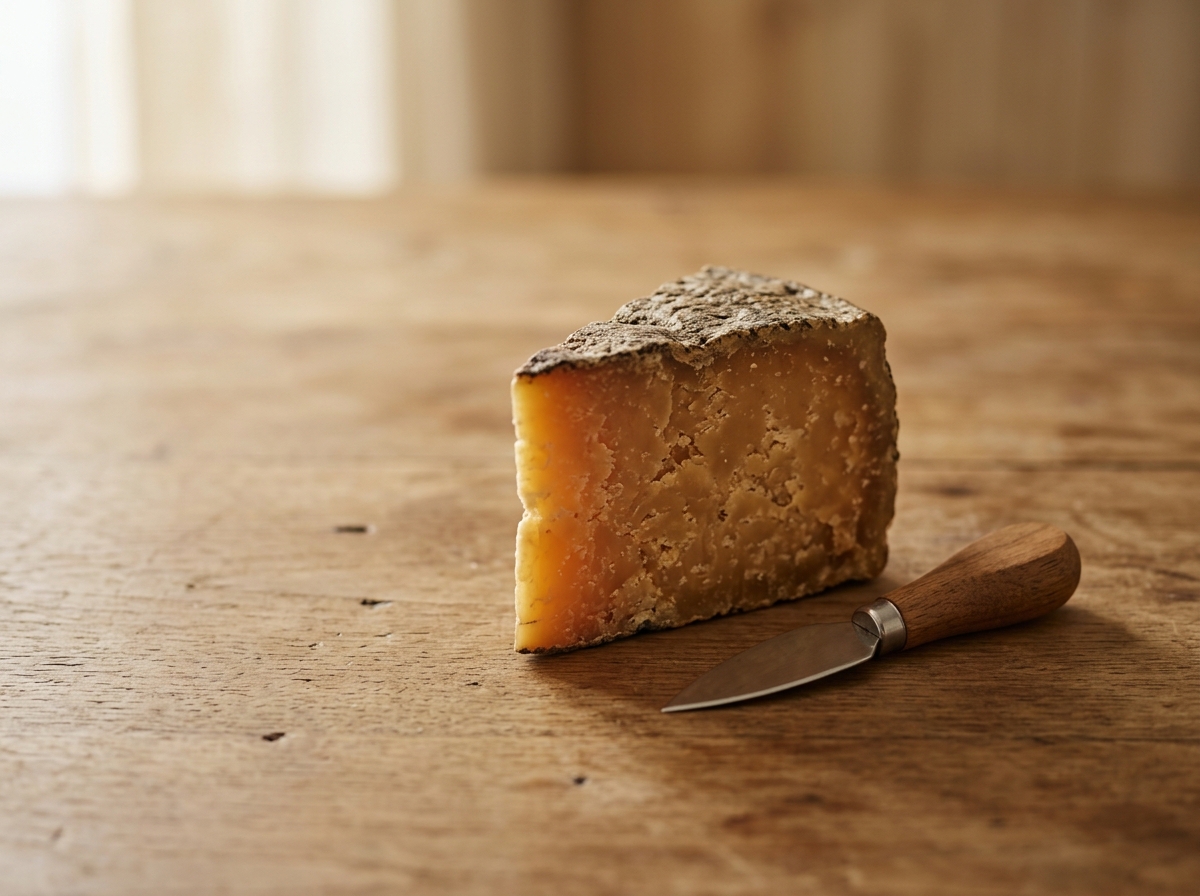
Aged cheese
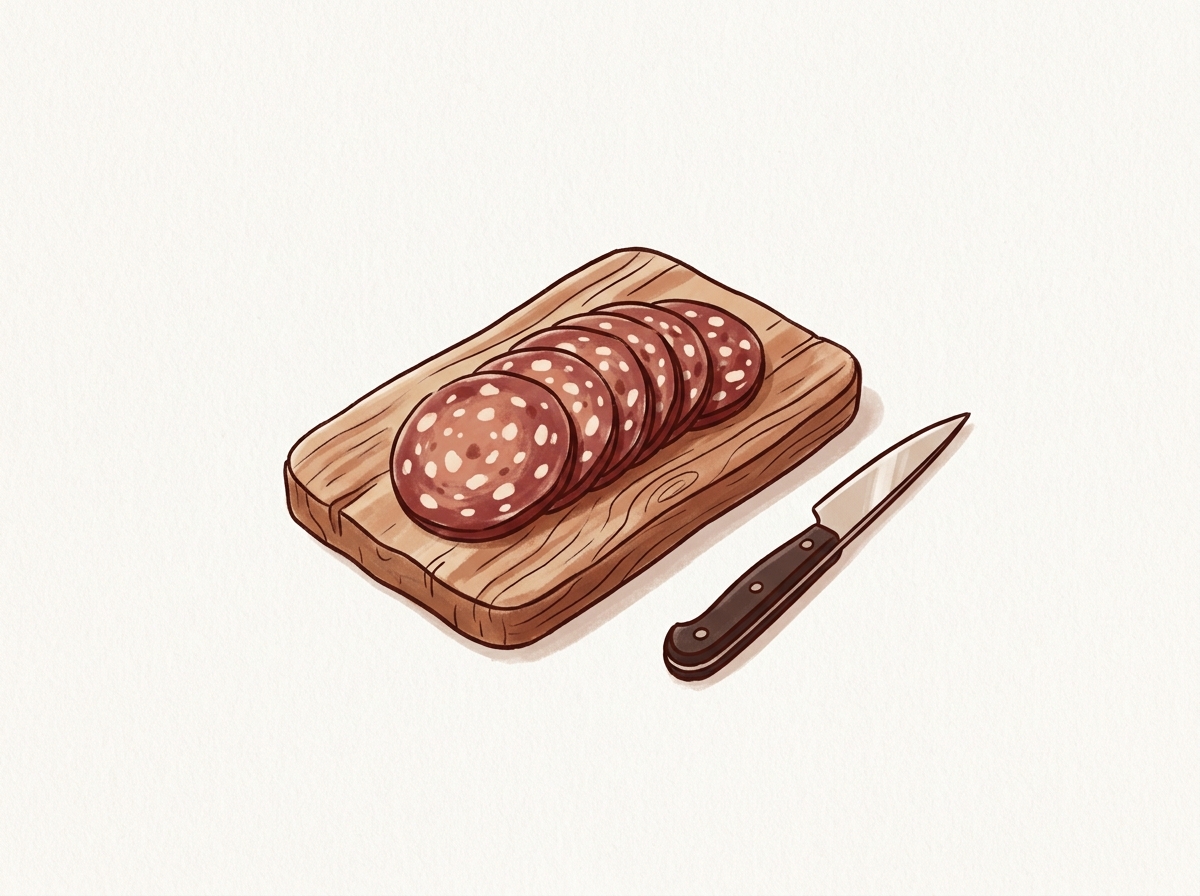
Cured and fermented meats

Fermented vegetables

Red wine
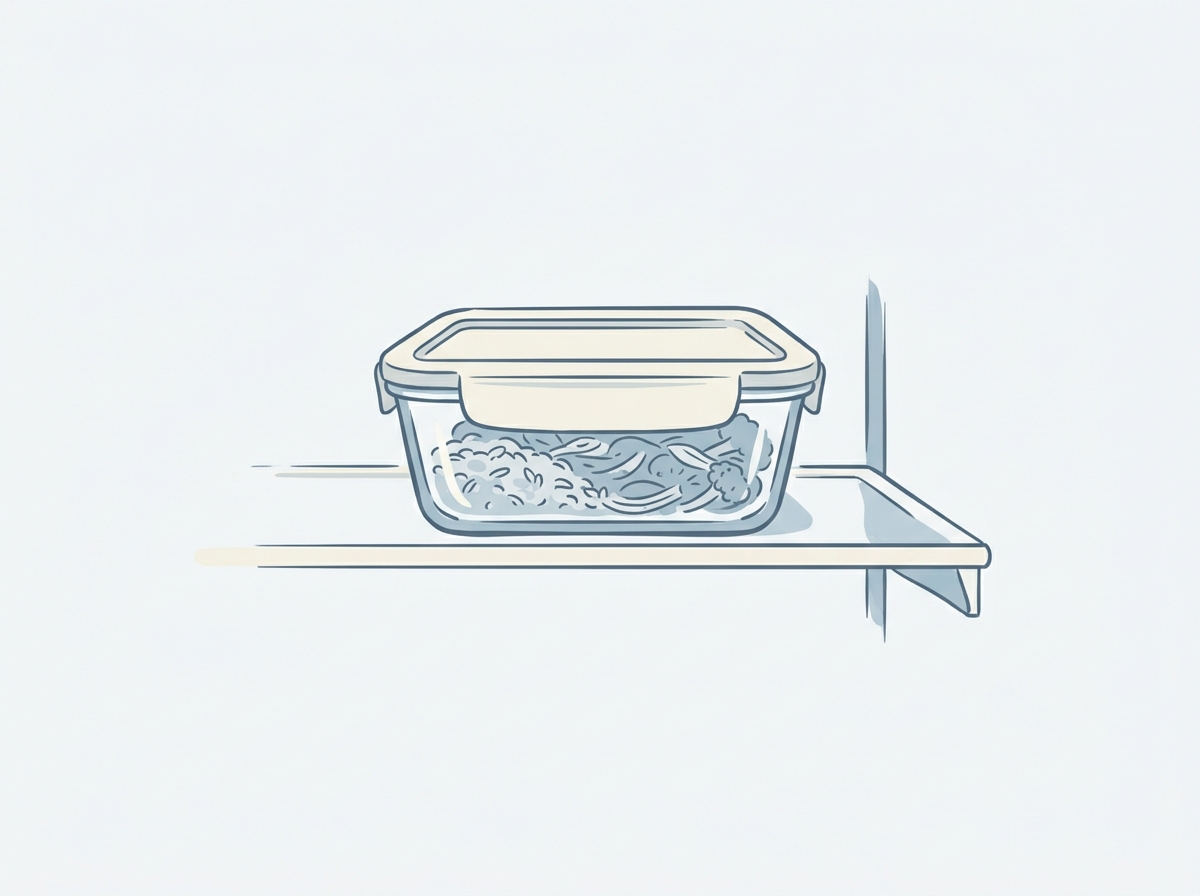
Leftovers and stored food
Restricting these foods can help in the short term, but it treats the symptom rather than the cause. The more durable fix usually involves the gut bacteria and DAO capacity that decide how much histamine a given meal actually produces in the first place, which is exactly what the mechanisms above are describing.
How does treating IBS change migraine frequency in practice?
In practice, yes, and it is one of the more consistent patterns I see in migraine and IBS cases worked up through biochemistry data mining. When we trace a case back to bacterial overgrowth or a specific histamine-producing gut pattern and correct it, patients frequently report that their migraines become less frequent and less severe alongside their gut symptoms, often before we have addressed the headaches directly at all.
The gut work usually targets the same handful of levers described above: lowering the bacterial histamine load, restoring the depleted species linked to calmer gut function, and giving diamine oxidase enough support to keep up with a person's actual histamine exposure. None of this replaces migraine-specific treatment when it is needed, but it explains why so many patients notice both problems easing together rather than one at a time.
This is a clinical pattern, not a substitute for a formal migraine treatment trial in IBS patients specifically. The two conditions share enough biology that treating one thoughtfully tends to move the other, which is exactly why migraine and IBS deserve to be assessed together rather than as two completely separate treatment plans.
Still chasing migraines and gut symptoms as two separate problems?
If migraine and IBS keep showing up together in your case, the shared cause may sit on the histamine and gut-bacteria axis described above. We can work through it together.
IBSyncrasy
IBSyncrasy is my practical manual for irritable bowel syndrome: the complete physiology of the gut-hormone and gut-histamine axis, plus step-by-step testing and repair protocols you can run with your own doctor.
Buy IBSyncrasyFrequently asked questions
Migraine and IBS occur together far more than chance would predict. Pooled data from 22 studies shows IBS patients carry roughly double the odds of comorbid migraine, and migraine patients carry even higher odds of comorbid IBS, with shared mechanisms including histamine, tryptase, serotonin and gut bacteria.
Aged cheese, cured meats, fermented vegetables, red wine and stored leftovers come up most often, but the food itself is rarely the real trigger. What usually decides the reaction is how much histamine bacterial fermentation or storage has already produced in that food, combined with a person's own DAO capacity to clear it.
Yes, and considerably more often than people without IBS. In clinical practice, migraine is one of the most common things patients mention almost as an afterthought during a gut consultation, and pooled research confirms the pattern is real, not a coincidence of two common conditions.
In clinical experience, often yes. Correcting the gut bacteria and histamine-handling capacity behind IBS frequently coincides with fewer and milder migraine attacks, though this reflects a consistent clinical pattern rather than a dedicated randomized trial testing IBS treatment as a migraine therapy.